10 Expert Secrets to Master Wildlife Encounters Safely in the Field
FIELD BRIEFING: FIELD BRIEFING: Understanding wildlife encounters is about mastering the “Rules of Engagement” with apex predators and nuisance animals. The wilderness is their theater of operations; you are merely a visitor. To avoid a conflict that could compromise your mission, you must maintain a strict “Zero-Scent”…
FIELD BRIEFING: Understanding wildlife encounters is about mastering the “Rules of Engagement” with apex predators and nuisance animals. The wilderness is their theater of operations; you are merely a visitor. To avoid a conflict that could compromise your mission, you must maintain a strict “Zero-Scent” perimeter and a high level of situational awareness.
In 2026, as human-wildlife boundaries continue to blur, tactical preparedness is the only way to ensure the safety of your squad and the local fauna. This guide provides the definitive 10-point framework for secure backcountry operations.
1. Defensive Posture and Deterrence
Most wildlife encounters can be avoided through strict noise and scent discipline. However, if your perimeter is breached and you find yourself face-to-face with a predator, your reaction must be immediate and species-specific.
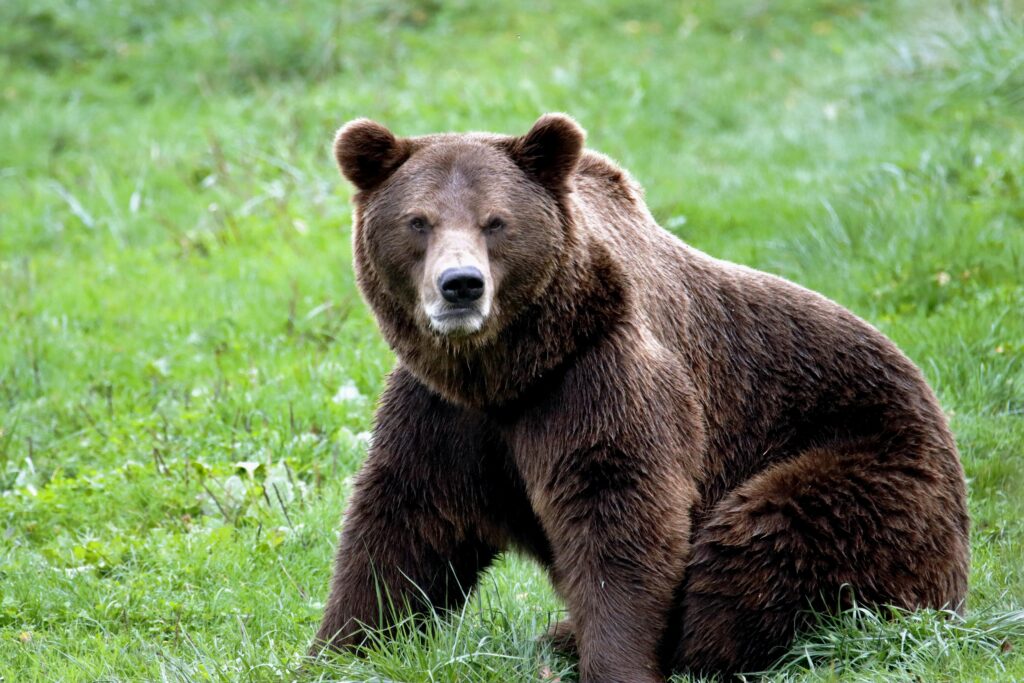
Bears: The Heavyweight Threat
- Black Bears: These are generally more timid but can be predatory. If you have an encounter, stand your ground. Make yourself look as large as possible. Shout in a deep, authoritative voice.
- Grizzlies/Brown Bears: If a Grizzly charges, it is often a “bluff.” Never run—running triggers their chase instinct. If contact is made, “play dead” to neutralize the threat perception.
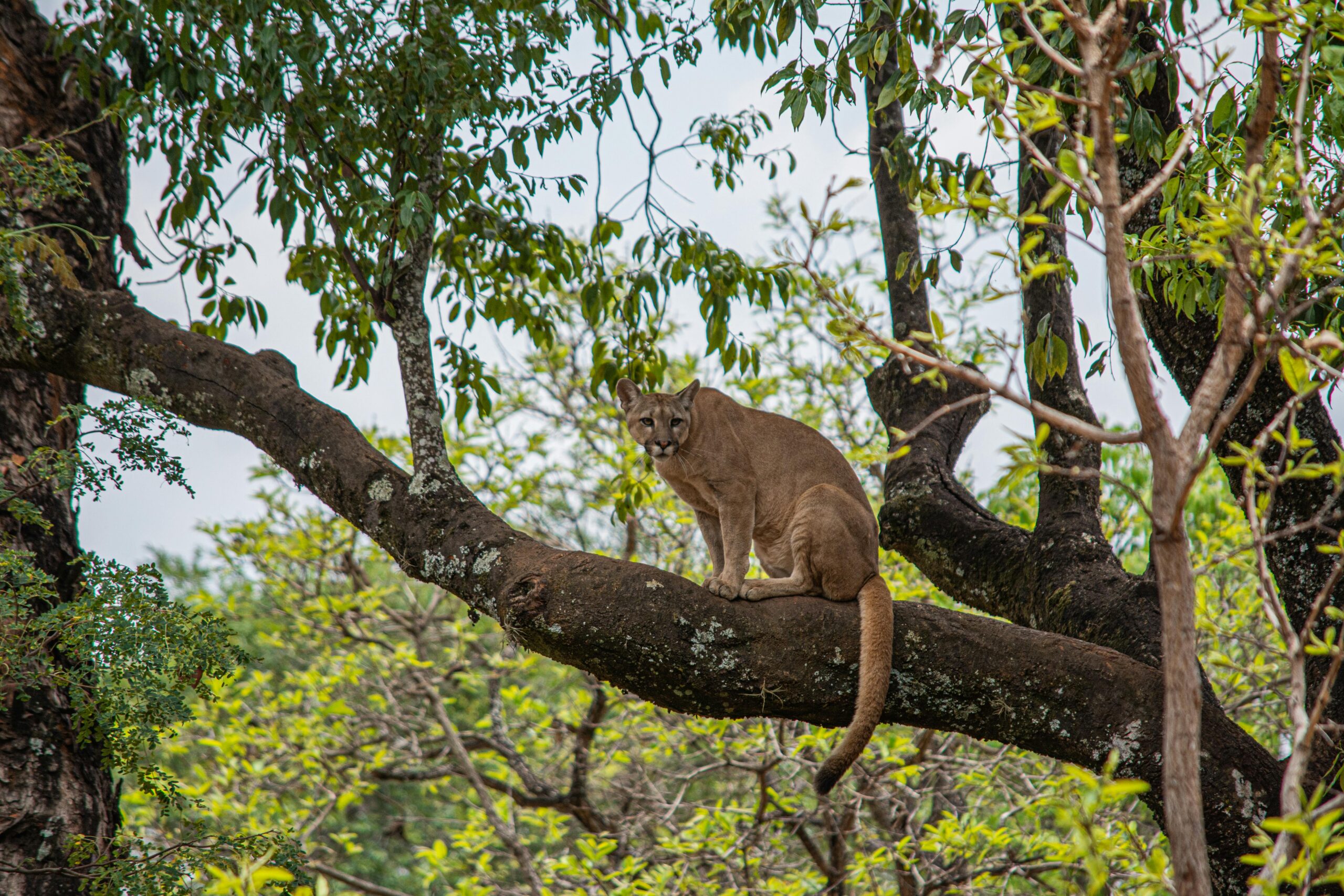
Cougars: The Stealth Combatant
Cougars are ambush predators. If you see one, it has likely been tracking you.
2. Managing the “Micro-Threats”: Rodent and Insect Defense
While apex predators get the headlines, rodents and insects are the most frequent “Enemy Combatants” in wildlife encounters. These small-scale threats cause significant mission degradation by compromising equipment integrity and introducing debilitating biological hazards into your squad.
- Hard-Sided Logistics and Gear Protection: Rodents are attracted to the salt in your sweat and the sugars in your rations. A squirrel or marmot can chew through a $300$ ultra-light rucksack in seconds to reach a single salt-crusted shoulder strap. When managing wildlife encounters, use a hard-sided Bear Canister or a stainless steel mesh “Rat Sack” even in non-bear territory. This provides a mechanical barrier that rodents cannot penetrate, ensuring your life-sustaining calories remain secure.
- Vector Control: The Chemical Shield: Insects are more than a nuisance; they are carriers of Lyme disease, Rocky Mountain Spotted Fever, and West Nile virus. To neutralize this threat, treat all clothing, rucksacks, and tent exteriors with a 0.5% Permethrin solution. Unlike DEET, which is a repellent applied to the skin, Permethrin is an insecticide that bonds to fabric fibers. It creates a “Contact Shield” that paralyzes and kills ticks and mosquitoes upon contact. A single treatment remains effective through six weeks or six wash cycles, providing a passive defense layer for your entire AO (Area of Operations).
3. The “Tactical Triangle” Camp Layout: Geometry of Safety
The most effective way to manage wildlife encounters is to ensure they never happen. By using the “Tactical Triangle” camp layout, you manipulate the environmental “scent plume” to keep curious animals away from your primary sleep coordinates. This geometry is a fundamental “non-negotiable” for secure backcountry outposts.
- The Sleeping Zone (The Cold Site): This is your primary “Rest and Recovery” area. To maintain a “Zero-Scent” profile, this zone must be $100\%$ free of food, trash, and scented toiletries. Never keep toothpaste, lip balm, or snacks inside your tent. If an animal enters this zone, it should find nothing of interest to investigate, encouraging it to move on without a confrontation.
- The Kitchen Zone (The Hot Site): This zone should be located at least 200 feet downwind from your sleeping area. All cooking, eating, and gray-water disposal occur here. By placing this zone downwind, the odors produced by boiling water or rehydrating meals are carried away from your “Cold Site,” ensuring you do not become a secondary target of curiosity.
- The Storage Zone (The Secure Site): Located at least 200 feet from both your kitchen and your sleeping area, forming the third point of the triangle. All “Smellables” (food, trash, and toiletries) must be secured here inside your hard-sided canister or a high-altitude hang.
- Operational Rationale: If a predator or nuisance animal is drawn to your location, it will almost always follow the scent to the Kitchen or Storage zones. By maintaining this 200-foot buffer, you ensure that any “investigative behavior” by wildlife happens at a safe distance from your “Heat Core” (your sleeping squad), allowing for a controlled defensive response if necessary.
4. The “Base Commander” Tool: Counter Assault Bear Spray
For 2026, the Counter Assault Bear Spray remains the ultimate deterrent for wildlife encounters.
- High-Volume Deployment: It features a 32-foot range and a high-volume cloud. It stops the animal’s respiratory system and sight temporarily, allowing for safe extraction.
- Operational SOP: Carry bear spray on a chest rig or belt holster—never inside your pack.
5. Advanced Scent Logistics: The “Opsak” Shield
Standard dry bags and polyethylene plastic bags are surprisingly porous; on a molecular level, they allow scent particles to “off-gas,” creating a beacon for predators. When managing wildlife encounters, your internal rucksack organization must be hermetically secure.
- Molecular Odor Barriers: Utilize Opsak (Odor-Proof) storage bags. These are made from a specialized film that is $100\%$ effective at blocking the transmission of odors. By sealing your dehydrated meals, coffee, and even your “trash bag” inside an Opsak, you effectively “ghost” your chemical signature. This prevents a bear or mountain lion from ever keying in on your location from miles away, neutralizing the encounter before it begins.
6. The “Clean Clothes” Protocol: Tactical Sleep Hygiene
Your sleeping bag should be a “Sanctified Zone.” One of the most common causes of predatory investigations at night is the scent of food residue on an operative’s clothing.
- The Grease Splatter Factor: Never sleep in the clothes you wore while cooking or eating. Micro-splatters of grease or vaporized oils on your sleeves or chest are enough to trigger a bear’s curiosity.
- Storage SOP: Before entering your tent, change into a dedicated “Sleep Layer” that has never been exposed to the kitchen zone. Seal your cooking clothes in an odor-proof bag and store them with your food—at least 200 feet away from your sleeping bag.
7. Carcass Management and Field Dressing Safety
If your mission involves hunting or if you stumble upon a fresh kill site, the risk of high-consequence wildlife encounters increases by 500%. A carcass is a high-value “Resource Node” that predators will defend with lethal force.
- The Cache Identification: If you find a fresh carcass partially covered in dirt, pine needles, or brush, you have located a Cougar Cache. Leave the area immediately. Do not pause for photos; you are currently in the crosshairs of an apex predator that is likely watching from the shadows.
- Gut Pile Logistics: If you are field dressing an animal, move the entrails (the “gut pile”) at least 200 yards away from your extraction route and camp. If you must leave meat behind for a second trip, hang it at least 12 feet high and 4 feet away from the trunk of a tree to prevent bears from climbing to reach it.
8. Nocturnal Signature Management: Reflective “Eyeshine”
Many wildlife encounters occur at night when predators possess superior low-light vision. Understanding how to use your lighting equipment to identify “Eyeshine” is a critical reconnaissance skill.
- High-Candela Scanning: Periodically scan the “Dead Zones” around your perimeter with a high-lumen tactical light. Predators possess a tapetum lucidum—a reflective layer behind the retina that bounces light back to your source.
- Anatomic Color Codes: * Yellow/Green Shine: Typically indicates a “Heavy Threat” like a Mountain Lion, Lynx, or Bear.
- Red/Orange Shine: Often indicates birds or rodents, but can also be the eye-glow of a larger predator obscured by heavy foliage. If you see two unblinking lights reflecting your beam, assume a predator is present.
9. Audio Deterrence: The “Human Noise” Signature
The most dangerous predator is a surprised one. In low-visibility terrain—such as thick brush, willow thickets, or along loud creek beds—you must proactively project your “Human Signature.”
- Tactical Call-Outs: Use periodic, deep-toned vocalizations or “Hey Bear!” shouts to announce your presence. This prevents “Surprise Encounters,” which account for the majority of defensive attacks. Do not rely on “Bear Bells,” which are often too quiet to be heard over wind or rushing water; your voice is the most effective deterrent you carry.
10. Behavioral Intelligence: Identifying “Stress Signs”
Mastering wildlife encounters requires the ability to read animal body language in real-time. An animal that feels “cornered” will display specific warnings before it escalates to a charge.
- The Pre-Attack Signal: If a bear is “huffing,” clacking its teeth together, or pinning its ears flat against its skull, it is telling you that you have breached its personal “Combat Zone.”
- The Calm Withdrawal: Acknowledge the signal by stopping immediately. Speak in a low, calm voice and back away slowly. Never turn your back and never run. By respecting the animal’s stress signs and increasing the distance, you provide it with an “Escape Route,” de-escalating the encounter safely.
Final Debrief
The objective of these 10 Expert Secrets is to shift you from a “Target of Interest” to a “Ghost” in the environment. By mastering scent logistics, camp geometry, and behavioral intelligence, you ensure that your mission remains secure and your squad remains uncompromised.
Seal Your Scent. Scan the Shadows. Maintain the Perimeter. Stay Ready.
"Observe, orient, decide, and act."