12 Lethal Wild Edible Plants: The Elite Field Guide to Foraging and Bio-Hazards
FIELD BRIEFING: In a survival scenario, the wilderness is either your greatest supply depot or your quietest enemy. Living off the land sounds like the ultimate “Scout” move, but without high-quality intel, it’s a high-stakes gamble. When your rations are depleted and extraction is delayed, knowing how…
In a survival scenario, the wilderness is either your greatest supply depot or your quietest enemy. Living off the land sounds like the ultimate “Scout” move, but without high-quality intel, it’s a high-stakes gamble. When your rations are depleted and extraction is delayed, knowing how to identify wild edible plants becomes a mission-critical skill.
To succeed in field foraging, you must move beyond guesswork. You need a disciplined system for identification and a strict “Rules of Engagement” for what enters your system. This briefing covers the red flags of toxic flora, the “Friendly” targets that provide sustainment, and the 2026 tech designed to verify your targets before you commit to consumption.
1. Intelligence Gathering: Identifying “Enemy” Flora
Before you look for what you can eat, you must memorize the signature traits of what will kill you. If a plant exhibits any of the following “Hostile Indicators,” abort the extraction immediately. In the world of wild edible plants, the “look-alikes” are often the most dangerous insurgents.
Milky or Colored Sap
Most plants that bleed a white, milky, or oddly colored latex (like Milkweed or Spurge) are toxic. This sap often contains alkaloids that cause severe gastrointestinal distress or skin blistering.
The “Leaves of Three” Perimeter
Follow the classic tactical doctrine: “Leaves of three, let it be.” This identifies the Urushiol Trio—Poison Ivy, Poison Oak, and Poison Sumac. While not always lethal if touched, the systemic allergic reaction can take an operator out of the field for weeks.
Umbrella-Shaped Clusters (The Hemlock Threat)
Beware of white flowers bunched in an umbrella shape (Umbels). While this includes “Friendly” wild carrots, it’s also the signature of Poison Hemlock, a plant so lethal it causes respiratory failure within hours. One leaf is enough to terminate a mission permanently.
The “Almond” Scent
Biological sensors (your nose) are vital. If a plant, crushed leaf, or seed smells like almonds but isn’t an actual almond tree, it likely contains Cyanide. This is common in the pits of wild stone fruits and the leaves of the Black Cherry tree.
2. The Universal Edibility Test (U.E.T.)
If you are in an emergency and have zero digital intel, use the Universal Edibility Test. This is a slow, disciplined protocol used by Special Operations to check for adverse reactions to unknown wild edible plants.
- Skin Test: Rub the plant on the sensitive skin of your inner wrist. Wait 15 minutes for a rash, burn, or itch.
- Preparation: If the skin test passes, cook a small portion. Many plants are toxic raw but edible when boiled.
- Lip Test: Touch the cooked plant to your lips for 3 minutes. Look for tingling or burning.
- Tongue Test: Place it on your tongue (don’t swallow) for 15 minutes.
- The Small Bite: Chew a small amount and wait 8 hours. If no GI distress or “biological backfire” occurs, it’s likely a viable ration.
3. Reliable “Friendly” Targets: High-Yield Wild Edible Plants
Start your foraging career by mastering these high-yield, easily identifiable targets. These are the “Low-Hanging Fruit” of the tactical foraging world.
I. Dandelions (Taraxacum)
100% of this plant is edible. The leaves provide Vitamin K and A, and the roots can be roasted as a coffee substitute to maintain cognitive alertness.
II. Pine Trees (Pinus)
The needles are a massive source of Vitamin C—containing five times the concentration of a lemon. Steep them in hot water for “Scout Tea” to prevent scurvy on long-duration missions.
III. Aggregate Berries
Raspberries and Blackberries are the “safest” bets in the wild. If the berry looks like a cluster of tiny bubbles (aggregate), it’s 99% likely to be an edible wild edible plant.
IV. Cattails (Typha)
Often called the “Supermarket of the Swamp.” The white inner stalks (lower 12 inches) can be eaten raw or sautéed and taste like a cross between a cucumber and a leek.
4. The “Base Commander” Tool: PlantIn (AI Identification)
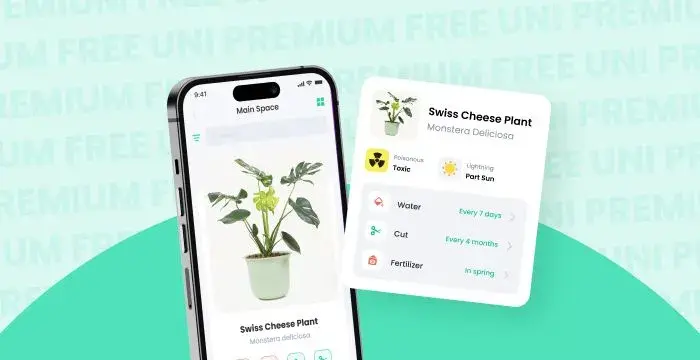
In 2026, you shouldn’t rely solely on a paper guidebook that doesn’t update. For the most accurate, real-time field intel on wild edible plants, we recommend the PlantIn App.
- Field Briefing: While there are many free tools, PlantIn is currently the top-rated AI identifier for 2026. It boasts a near 100% accuracy rate for common wild flora and features a dedicated Toxicity Warning System.
- Why it’s Tactical: It provides instant diagnosis for “look-alike” species (like distinguishing between Queen Anne’s Lace and Poison Hemlock). Crucially, it works with offline databases—essential for when your mission takes you beyond the reach of cellular towers.
5. Tactical Foraging Rules: SOP
- Never Forage Near Roads: Plants near highways absorb lead, heavy metals, and exhaust toxins. Move at least 100 yards into the bush before beginning extraction.
- The 100% Rule: If you are 99% sure, you are 0% sure. Do not consume any wild edible plants unless you have a confirmed ID from both your sensors (eyes/nose) and your tech (PlantIn).
- Sustainable Extraction: Never take more than 10% of a patch. A professional operator leaves the training ground viable for the next team.
- Avoid Parasites: Always wash foraged greens in filtered water. Biological hazards like Giardia often hitch a ride on perfectly safe plants located near contaminated water sources.
6. Advanced Foraging: The 2026 Bio-Hazard Map
In 2026, environmental shifts have changed the “theater of operations.” Certain mushrooms and plants are migrating into new zones. Always check local “Bio-Hazard Bulletins” for your specific AO (Area of Operations). Some wild edible plants may be safe in one region but contaminated by local soil pollutants in another.
Final Debrief
Foraging is a skill that takes a lifetime to master, but a single mistake to regret. Use the PlantIn app as your primary sensor, but always back it up with your own knowledge of “Red Flag” indicators. Respect the flora, and the wilderness will provide the sustainment you need to complete the mission.
For a complete list of gear to help you process these finds, see our [Internal Guide to Tactical Field Knives] (Placeholder Link).
Know Your Target. Stay Safe.
"Observe, orient, decide, and act."