9 Tactical Winter Camping Essentials to Survive Deadly Cold
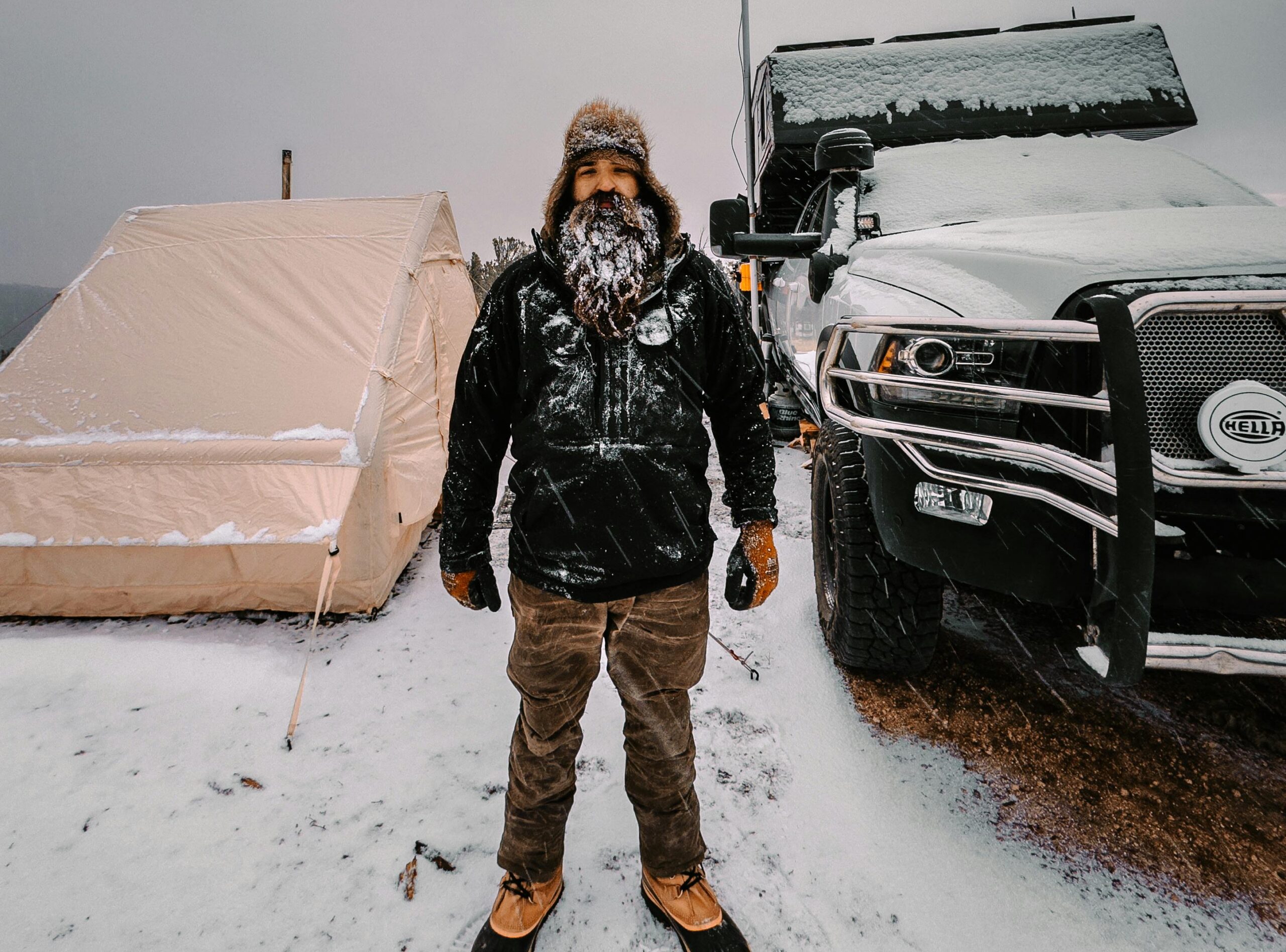
FIELD BRIEFING: Snow is more than just a scenic backdrop; it’s a high-maintenance terrain that requires specialized gear and a “never-quit” mindset. In sub-zero theaters, the environment is actively working to compromise your internal core temperature. Whether you’re establishing a base in the Rockies or a local…
Snow is more than just a scenic backdrop; it’s a high-maintenance terrain that requires specialized gear and a “never-quit” mindset. In sub-zero theaters, the environment is actively working to compromise your internal core temperature. Whether you’re establishing a base in the Rockies or a local forest, tactical winter camping requires moving beyond basic survival to “Climate Mastery.”
These protocols are designed to keep you warm, dry, and combat-effective. In the winter, “good enough” is a dangerous philosophy. You need a disciplined approach to layering, shelter fortification, and caloric sustainment to ensure your mission doesn’t end in a medical evacuation.
1. The Five-Layer Perimeter (Tactical Layering)
In the cold, moisture is the primary enemy. Sweat leads to rapid cooling and, eventually, hypothermia. You must manage your “micro-climate” using a modular system known in military circles as ECWCS (Extended Cold Weather Clothing System). This is the foundation of any successful tactical winter camping strategy.
- L1: The Base Layer (Moisture Wicking): Use Midweight Merino Wool or synthetic “waffle” tops. Never use cotton—it absorbs sweat, stays wet, and kills your heat retention.
- L2: The Mid-Layer (Grid Fleece): This traps air while remaining highly breathable. Look for “grid” patterns that allow moisture to move away from the body during high-intensity rucking.
- L3: The Insulation Layer (The Loft): This is your primary thermal barrier. A high-fill power down or synthetic “puffy” jacket traps heat in its loft.
- L4/L5: The Shell (Wind and Water): A waterproof, breathable hardshell (like Gore-Tex) to deflect wind and snow while allowing internal moisture to escape.
2. Fortifying the Sleep System: The R-Value Doctrine
Your tent protects you from the wind, but the frozen ground is what steals your heat through conduction. A professional tactical winter camping setup focuses heavily on the “Thermal Break” between the operator and the earth.
The R-Value Standard
For winter ops, you need a sleeping pad with an R-Value of 5.0 or higher. Anything less is a compromise that will leave you shivering by midnight.
The Stacking Hack (Dual-Layer Defense)
Layer a closed-cell foam pad (like the Therm-a-Rest Z Lite) under an inflatable insulated pad.
- Thermal Break: It creates a secondary barrier against the frost.
- Armor: It protects your expensive inflatable pad from punctures on frozen, jagged ground.
Mummy Protocol
Use a mummy-style bag rated at least 10 degrees lower than the expected forecast. Pull the draft collar tight to seal your “heat engine” inside the bag. Remember: a sleeping bag doesn’t generate heat; it retains the heat your body produces.
3. Hydration & Caloric Sustainment
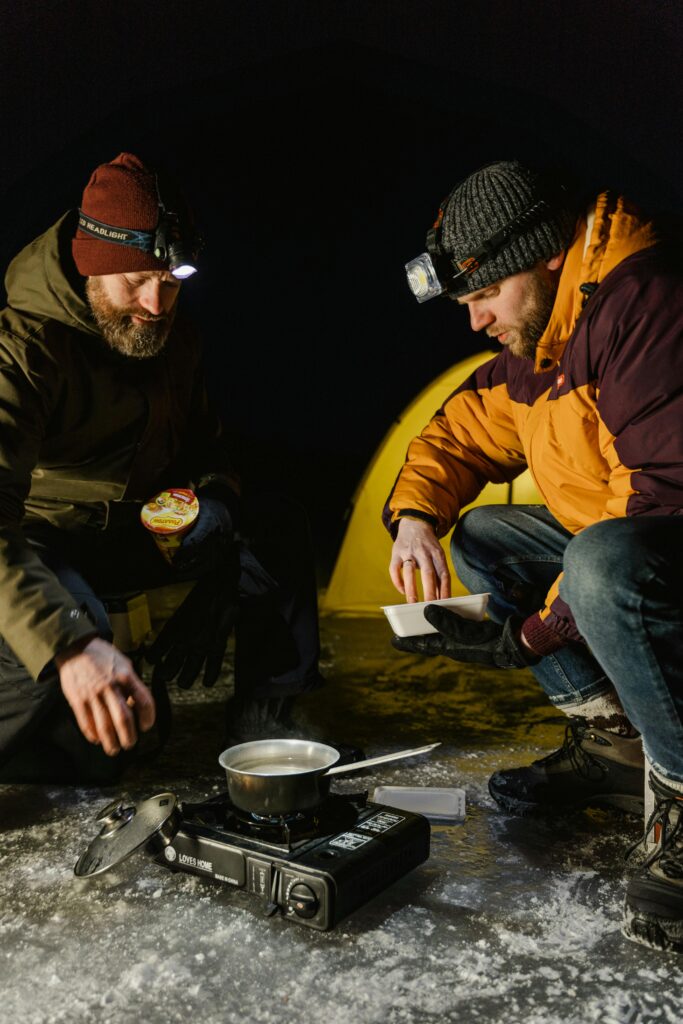
Your body is a furnace; it needs fuel to generate thermal energy. If you run out of calories, your internal fire goes out, and your tactical winter camping mission fails.
High-Fat Rations (The Midnight Snack)
Eat a high-calorie, high-fat snack (like peanut butter, nuts, or cheese) right before bed. The metabolic process of digesting fats takes longer and generates consistent internal heat while you sleep.
The Upside-Down Trick (Liquid Access)
Store your water bottles upside down in the snow or inside your pack. Water freezes from the top down; storing them inverted ensures the lid doesn’t freeze shut, allowing you to access liquid water even in extreme temperatures.
4. The “Base Commander” Tool: Mr. Heater® Buddy® (2026 Edition)
When the mission requires a “Climate-Controlled” environment inside the tent to dry out gear or boost morale, there is one industry standard that consistently delivers. We recommend the Mr. Heater® Portable Buddy®.
- Field Briefing: For 2026, the Portable Buddy remains the most trusted radiant heater for outdoor operators. It delivers 4,000 to 9,000 BTUs of clean-burning heat, capable of warming a 225-square-foot space in minutes.
- Why it’s Tactical: It features a Low Oxygen Shut-off System (ODS) and a Tip-over Safety Switch. If the heater detects a drop in oxygen or gets knocked over, it kills the fuel line instantly.
- Pro-Tip: Always ensure you have at least 4 square inches of ventilation in your tent when running any heater to maintain a fresh oxygen supply. Never sleep with a heater running unless you have a dedicated CO detector.
5. Night Ops: The “Sacred Socks” and Heat Core
Success in tactical winter camping is won in the small details. These two protocols are non-negotiable for experienced operators.
The Sacred Socks Rule
Keep one pair of heavy, 100% wool socks inside your sleeping bag at all times. They are never to be worn for hiking, camp chores, or scouting. They stay bone-dry and are used strictly for sleeping. Putting even slightly damp socks into a sleeping bag will ruin your insulation.
The Radiant Heat Core
Before hitting the sack, boil water and fill a hard-plastic bottle (like a Nalgene). Ensure the seal is 100% secure. Wrap it in a spare sock and toss it into the bottom of your bag. This acts as a heater for your feet, lasting up to 6 hours, and provides pre-warmed liquid water for your morning coffee.
6. Site Recon: Choosing the Winter Outpost
In tactical winter camping, location is everything. Avoid “Cold Sinks”—low-lying valleys where cold air settles.
- Windbreaks: Pitch your shelter behind natural features like treelines or large boulders.
- Sun Exposure: Position your tent to catch the first rays of the morning sun (East-facing) to help thaw gear and boost team morale.
Final Debrief
Winter camping isn’t about “braving” the cold; it’s about outsmarting it through superior logistics and discipline. Use your layers to stay dry, your gear to stay insulated, and a reliable heater like the Mr. Heater Buddy to maintain camp morale.
For more intel on the specific apparel needed for these missions, check our [Internal Guide to Merino Wool Base Layers] (Placeholder Link).
Mission Ready. Stay Warm.
"Observe, orient, decide, and act."