7 Powerful Fishing and Water Ops Tips to Survive Dangerous Shorelines
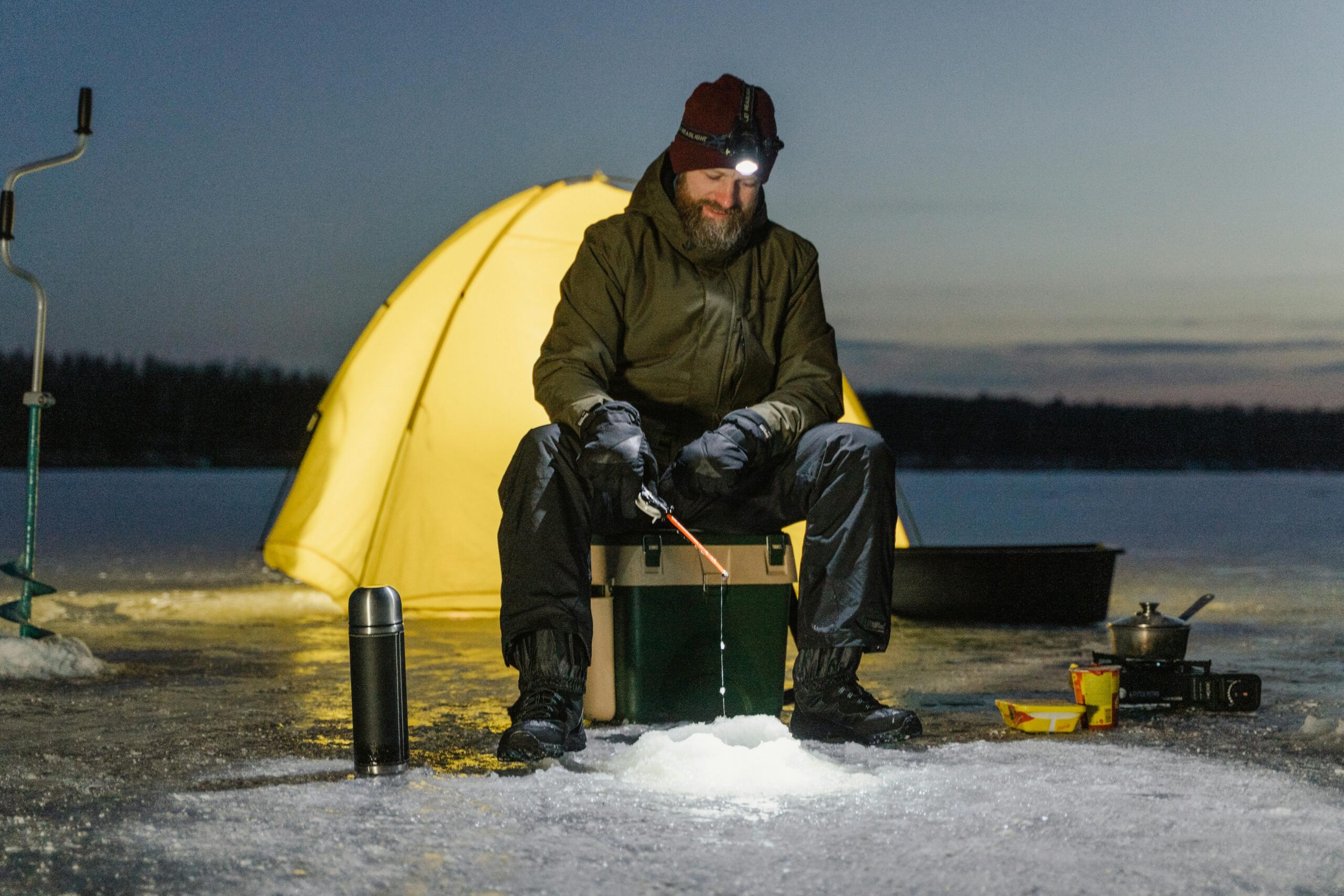
FIELD BRIEFING: Fishing and water ops represent the ultimate test of a scout’s ability to provide for the squad while maintaining situational awareness. In a survival or long-term camping scenario, water isn’t just a scenic feature; it is a primary resource for hydration and high-yield protein extraction.…
Fishing and water ops represent the ultimate test of a scout’s ability to provide for the squad while maintaining situational awareness. In a survival or long-term camping scenario, water isn’t just a scenic feature; it is a primary resource for hydration and high-yield protein extraction.
However, operating near water requires a specific set of “Rules of Engagement” to ensure you remain dry, safe, and successful. For the modern operative, mastering fishing and water ops is about more than just throwing a line—it’s about understanding aquatic topography, stealth approaches, and the tactical tools required for field processing. This 2026 manual provides the essential intel you need to dominate the shoreline and turn the water into your greatest logistical asset.
1. The Strategic Importance of Fishing and Water Ops
In any wilderness deployment, your proximity to water defines your operational longevity. Fishing and water ops allow a camper to supplement pre-packed rations with fresh, calorie-dense nutrition. This reduces the weight of your initial loadout and provides a massive boost to team morale.
However, water is also a significant hazard. Slippery terrain, rapid temperature shifts, and the risk of waterborne pathogens mean that every move must be calculated. A disciplined approach to fishing and water ops ensures you harvest the benefits of the river without falling victim to its deadly risks.
2. Shoreline Reconnaissance: Identifying High-Value Targets
Before you deploy your gear, you must conduct a thorough recon of the Area of Operations (AO). Fish are like any other tactical target—they seek cover, proximity to food, and stable conditions.
- Structure and Cover: Seek out “Submerged Intel.” Fallen logs, undercut banks, and large boulders create eddies where fish can rest out of the main current while waiting for food.
- The Temperature Gradient: In the heat of the day, fish move to deeper, cooler “Bunker” zones. During the low-light hours of dawn and dusk, they move to the shallows for active feeding sorties.
- The Stealth Approach: Fish are sensitive to vibration and shadows. When executing fishing and water ops, approach the bank slowly and stay low to the horizon. If you can see the fish, they’ve likely already compromised your position.
3. Tactical Gear for Aquatic Extractions
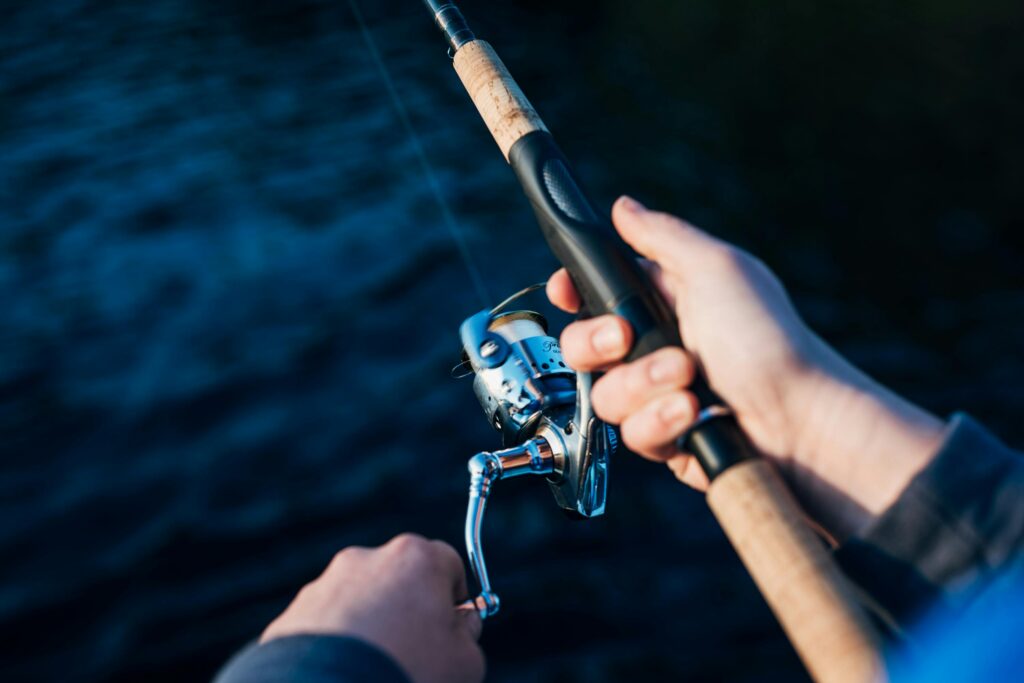
When fishing and water ops are part of the mission, your gear must be “Multi-Role.” You don’t want a heavy, 7-foot civilian rod taking up space in your rucksack.
- Tenkara Systems: For the tactical camper, Tenkara (fixed-line) rods are a game-changer. They are telescoping, ultra-light, and have no reels to jam or fail in the field.
- The “Go-Bag” Tackle Kit: Your kit should be minimal. A selection of hooks, split-shot weights, and a few versatile lures like the Mepps Aglia or a simple Rooster Tail can handle 90% of freshwater targets.
- Wading Boots: If your mission requires entering the water, ensure your footwear has aggressive lug soles or felt pads to prevent a “Tactical Slip” on moss-covered rocks.
4. The “Base Commander” Tool: PLUSINNO Compact Folding Rod
If you are looking for a “Force Multiplier” that fits perfectly into your fishing and water ops loadout, we recommend the PLUSINNO Compact Carbon Fiber Folding Fishing Rod.
Field Briefing: The PLUSINNO system is designed for high-mobility units. It features a collapsible carbon-fiber frame that shrinks down to less than 17 inches, making it easy to lash to the side of a tactical rucksack.
Why it’s Tactical:
- Space Efficiency: It integrates into your existing pack system without adding significant bulk.
- Structural Integrity: Despite its size, it has the backbone to pull medium-sized trout and bass from heavy cover.
- Corrosion Resistance: The stainless steel reel seat ensures it survives the “wet-work” inherent in fishing and water ops.
5. Sustainment: Field Processing and Preparation
Once a successful extraction is made, the mission transitions to processing. Fishing and water ops are not complete until the catch is prepared for the fire.
- The Quick Kill: To maintain protein quality, dispatch the fish immediately using a sharp blade to the brain. This prevents lactic acid buildup, which ruins the flavor.
- Field Dressing: Use a high-carbon steel knife to remove the entrails. Do this at least 100 feet from your main sleeping area to avoid attracting “apex competitors” like bears to your base.
- Cooking Rations: Small fish are best cooked “Whole-Field” style—gutted and wrapped in foil, then placed directly in the embers of your fire.
6. Water Safety SOP (Standard Operating Procedure)
Operating near water carries an inherent risk of “Cold Water Shock” and drowning. Follow these safety protocols for all fishing and water ops:
- The Buddy System: Never conduct deep-water extractions alone. Always have a teammate on the bank with a “Throw-Line” ready.
- PFD Discipline: If using a pack-raft or canoe, a Personal Flotation Device is non-negotiable Standard Issue gear.
- Hydration Intelligence: Never drink directly from the source where you are fishing. Always use your filtration system to purify water at least 200 feet away from your fishing hole.
7. Leave No Trace: Aquatic Integrity
A tactical operator leaves no sign of their presence. The shoreline is a sensitive environment that requires extra care during fishing and water ops.
- Monofilament Discipline: Spent fishing line is a “Biological Trap” for wildlife. Pack out every inch of line, including tiny clippings.
- Lead-Free Logistics: Use tungsten or tin weights instead of lead. This prevents heavy-metal contamination of the water supply you rely on.
- The Extraction Limit: Only take what you can eat. “Catch and Release” is the standard protocol unless sustainment is required for mission success.
Final Debrief
Fishing and water ops are an essential skill set for any scout looking to master the wilderness. By combining stealthy reconnaissance with high-performance tools like the PLUSINNO folding rod, you transform the river from an obstacle into a supply line.
Master the shoreline, respect the current, and stay fed.
"Observe, orient, decide, and act."