7 Critical Requirements for Field First Aid and Safe Outdoor Operations
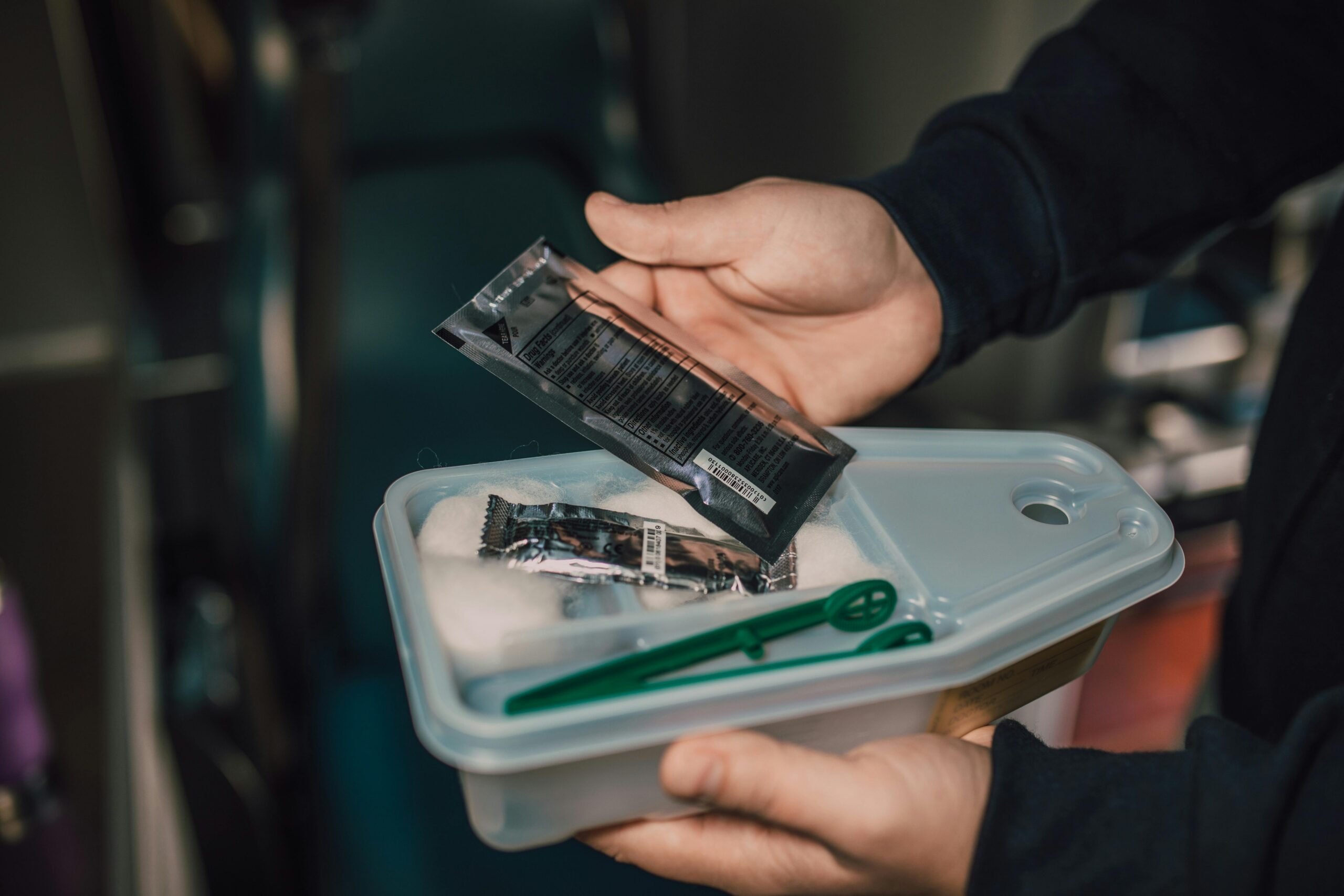
FIELD BRIEFING: FIELD BRIEFING: Field first aid is the most critical “non-negotiable” in your rucksack. In the urban theater, a medical emergency is a phone call away; in the wilderness, you are the First Responder, the Triage Officer, and the Medevac Coordinator. Whether you are dealing with…
FIELD BRIEFING: Field first aid is the most critical “non-negotiable” in your rucksack. In the urban theater, a medical emergency is a phone call away; in the wilderness, you are the First Responder, the Triage Officer, and the Medevac Coordinator. Whether you are dealing with a minor abrasion or a life-threatening arterial bleed, having a disciplined, tiered approach to medical intervention is what ensures a successful extraction rather than a tragedy.
In the 2026 landscape of remote scouting, your medical loadout must be as specialized as your navigation tools. This guide breaks down the “Massive Hemorrhage” protocol and the environmental medicine required to maintain squad health in non-permissive environments.
1. The “Bleed-Centric” Philosophy: The MARCH Protocol
When prioritizing field first aid, you must move beyond the “civilian” mindset of simple adhesive bandages and antiseptic wipes. In a remote theater, your primary Individual First Aid Kit (IFAK) must be configured for high-consequence trauma. Tactical medicine follows the MARCH algorithm—a tiered response system designed to treat the most lethal threats first.
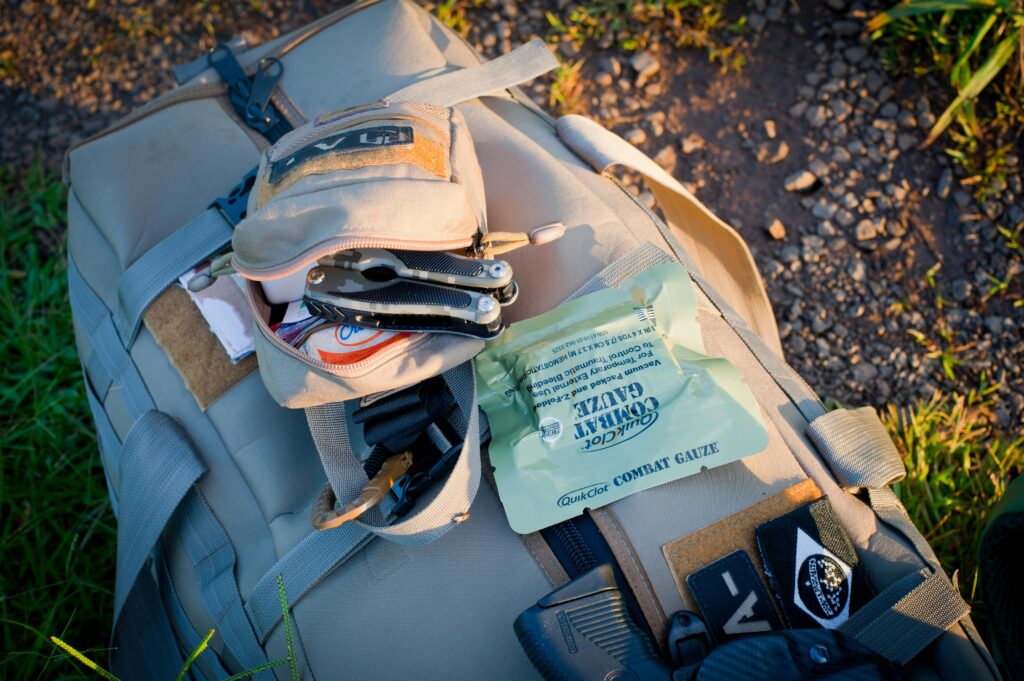
- Massive Hemorrhage (The M-Phase): Stopping a catastrophic bleed is the #1 priority in field first aid. An arterial bleed can lead to exsanguination (bleeding out) in less than three minutes. Your kit must include a pressure bandage (such as the OLAES or Israeli Bandage) and hemostatic agents like QuikClot or Celox. These specialized gauzes are impregnated with kaolin or chitosan—minerals that accelerate the body’s natural clotting cascade. Tactical SOP: If a wound is in a “junctional” area (groin, armpit, or neck) where a tourniquet cannot be applied, you must “pack the wound” with hemostatic gauze, applying direct internal pressure for a minimum of three minutes to create a biological plug.+2
- Airway and Respiration (The A-R Phase): Ensure the patient’s airway is clear of obstructions or blood. In the field, “Positioning” is your best tool—placing an unconscious patient in the “Recovery Position” prevents them from choking.
- Wound Management and Sepsis Prevention: For minor lacerations, the objective of field first aid is to prevent a mission-ending infection. In a wilderness environment, a small puncture can turn septic in 48 hours due to soil-borne anaerobic bacteria. Your kit must include povidone-iodine (Betadine) for deep cleaning and medical-grade “Super Glue” (cyanoacrylate) or Steri-Strips. These allow you to close a wound with “Primary Intention,” creating a sterile, mechanical seal that protects the tissue during the extraction march.
2. Environmental Medicine: Managing the Silent Killers
Beyond physical trauma, your field first aid must address environmental stressors—the invisible factors that degrade cognitive function, reduce physical output, and can lead to organ failure.
- The Thermal Buffer: Hypothermia Protocol: Hypothermia is a year-round threat, often more lethal in 50°F rain than in 20°F dry snow. Once clothing is saturated, the “Cold-Soak” effect strips core heat faster than the body can regenerate it. Tactical SOP: Carry a reinforced Bivvy Bag rather than a thin emergency blanket. A Bivvy Bag acts as a windproof “Thermal Envelope,” trapping 90% of radiated body heat. The “Umbles” Identification: If a squad member begins stumbling, mumbling, or fumbling, they have reached Stage 1 Hypothermia. Immediate Action: Strip the operative of all wet gear and seal them in a thermal envelope immediately to halt further heat loss.
- Hydration and Electrolyte Logistics: Heat exhaustion is fundamentally an “Energy Scarcity” and “Electrical Conductivity” problem. Drinking excessive plain water during high-intensity movements can lead to Hyponatremia (dangerously low blood sodium). Your field first aid kit should contain Oral Rehydration Salts (ORS). These precise ratios of sodium, potassium, and glucose utilize the “Sodium-Glucose Cotransport” mechanism to pull water into the bloodstream faster than plain water alone, preventing cramping and heat-induced syncope (fainting).+1
- Pharmacological Support and Allergy Defense: A tactical medic must be prepared for “Biological Sabotage” from the environment. Your kit should include:
- Antihistamines (Diphenhydramine): Essential for neutralizing anaphylactic reactions to bee stings, spider bites, or toxic flora.
- Anti-Diarrheals (Loperamide): In the field, diarrhea isn’t just an inconvenience; it is a rapid dehydrator. If a team member contracts a water-borne pathogen, Loperamide is a “Stay-in-the-Fight” drug that prevents the catastrophic loss of fluids during movement.
- Anti-Inflammatories (Ibuprofen): For managing the soft-tissue swelling and joint pain that can compromise an operative’s gait during long-range extractions.
3. The “Base Commander” Tool: North American Rescue (NAR) C-A-T
Every serious scout should carry a genuine North American Rescue (NAR) Combat Application Tourniquet (C-A-T). In a severe extremity injury, this tool is the only thing capable of stopping arterial bleeding in seconds.
- Why it’s Tactical: The C-A-T is the gold standard for field first aid. It utilizes a windlass system that allows for one-handed application—critical if you are treating your own injury.
- Operational SOP: Never keep your tourniquet at the bottom of your rucksack. It should be kept in an “Action-Ready” pouch on the outside of your pack or on your belt line. Tactical Warning: Beware of “counterfeit” tourniquets sold on discount sites; they are known to snap under the high pressure required to occlude an artery.
4. Advanced Field First Aid: Splinting and Stabilization
Orthopedic injuries—sprains, strains, and fractures—are the most common “Movement-Stopping” events in the field.
- The SAM Splint: A lightweight, foam-covered aluminum strip that is nearly weightless in a pack. It can be folded and shaped to stabilize a broken wrist, ankle, or even a neck.
- Supportive Wraps: High-stretch cohesive bandages (self-adhering) allow you to provide compression to a rolled ankle without needing clips or tape, maintaining the operative’s mobility for a slow extraction to the trailhead.
Final Debrief: The Training Requirement
Hardware is useless without “Software” (knowledge). Field first aid requires muscle memory. We recommend taking a “Stop The Bleed” or “Wilderness First Responder” (WFR) course to ensure that when the adrenaline spikes, your training takes over.
Pack the Wound. Control the Bleed. Maintain the Perimeter. Stay Ready.
"Observe, orient, decide, and act."