Creating a Tactical Packing Checklist for Beginners: 7 Systems for Success
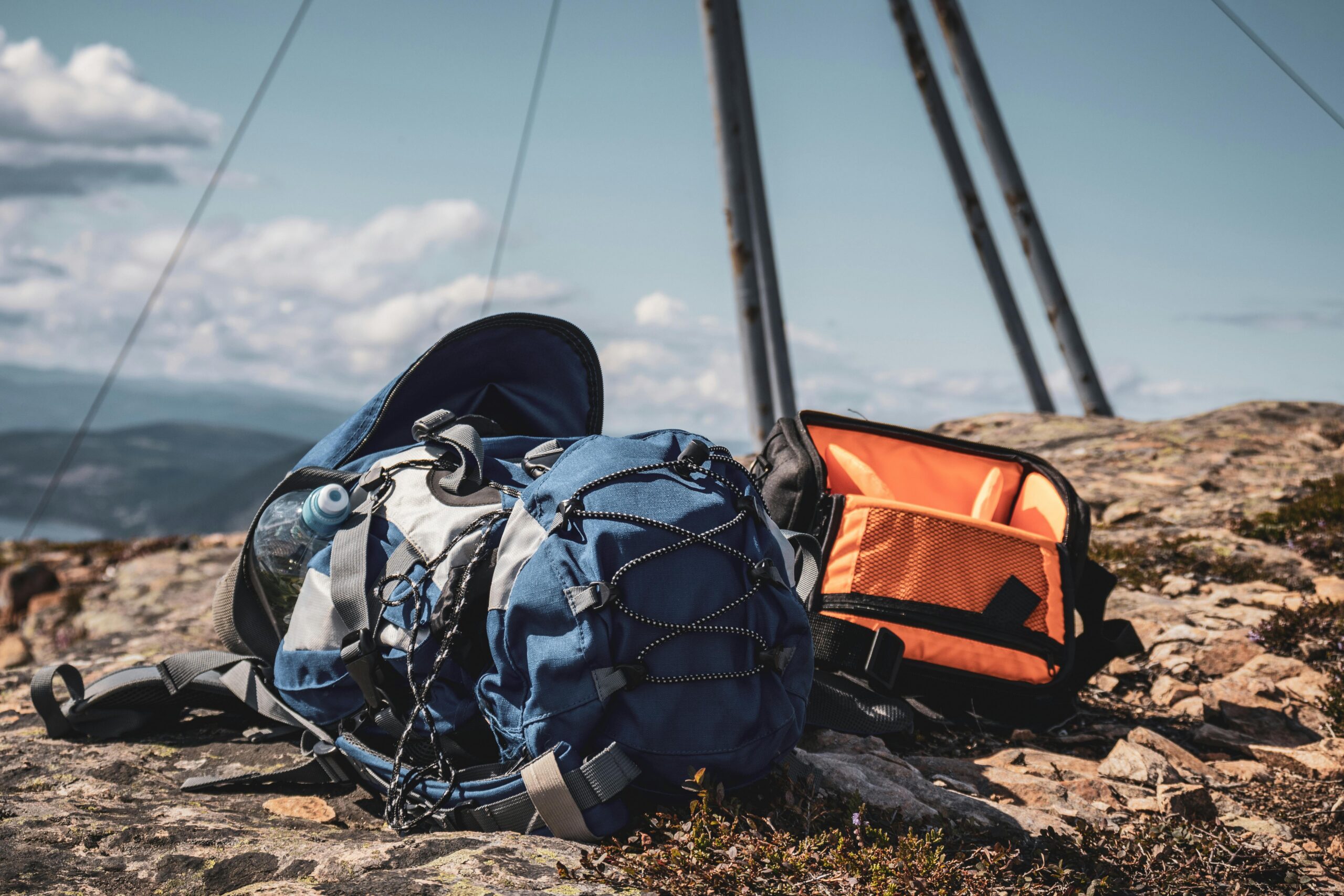
FIELD BRIEFING: FIELD BRIEFING: Creating a tactical packing checklist for beginners is the first step in moving from a disorganized “tourist” to a prepared “scout.” In the field, every ounce is a burden, and every forgotten item is a potential mission-stopper. You don’t just pack a bag;…
FIELD BRIEFING: Creating a tactical packing checklist for beginners is the first step in moving from a disorganized “tourist” to a prepared “scout.” In the field, every ounce is a burden, and every forgotten item is a potential mission-stopper. You don’t just pack a bag; you build a Loadout—a series of modular, integrated systems designed to support your life and safety in the wild.
In 2026, the doctrine of “System-Based Planning” is the gold standard. By grouping gear into functional categories rather than a random pile of equipment, you ensure that even if you switch from a 3-day assault pack to a long-range rucksack, your essential capabilities remain intact.
1. The Survival Systems Hierarchy
When creating a tactical packing checklist for beginners, you must organize your gear by the “Rule of Priorities.” If space or weight becomes an issue during your pack-out, always prioritize the items that maintain your “Heat Core” and hydration over items that provide mere comfort.
- The First Aid System (Priority 0): This is your non-negotiable. As established in our Field First Aid Briefing, this includes your IFAK (Individual First Aid Kit) with a focus on massive hemorrhage control and environmental medicine.
- The Shelter System (Priority 1): Your “Hard-Point” in the wild. This includes your tent or hammock, your sleeping bag (rated for 10 degrees colder than the expected low), and an insulated sleeping pad.
- The Hydration System (Priority 2): Tactical water management involves three parts: Storage (bottles/bladders), Filtration (hollow-fiber filters), and Purification (chemical tablets or UV).
- The Sustainment System (Priority 3): This covers your “Fuel Logistics”—stoves, fuel canisters, and high-density caloric rations.
2. Redundancy and the “Rule of Two”
A professional approach to creating a tactical packing checklist for beginners requires eliminating “Single Points of Failure.” In the wilderness, “One is none, and two is one.” If your primary tool fails, your mission should not end.
- Fire Redundancy: If your primary butane lighter fails in high-altitude winds, do you have a ferrocerium rod and tinder?
- Navigation Redundancy: Never rely solely on a GPS or smartphone. Your checklist must include a physical Topographic Map of your AO and a baseplate compass.
- Illumination Redundancy: A primary high-lumen headlamp is essential, but you must carry a secondary “Angle-Light” or small tactical flashlight for backup and signaling.
3. The “Base Commander” Tool: Grid-It!® Organizer
To maintain modularity while creating a tactical packing checklist for beginners, you must prevent “Gear Migration”—the tendency for small, heavy items to sink to the bottom of your pack. We recommend the Cocoon Grid-It! Organizer for your “Tech and Tool” sub-loadout.
- Elastic Retention Technology: This system uses a weave of rubberized elastic straps to secure multi-tools, charging cables, spare batteries, and fire-starters in a flat, accessible configuration.
- Operational Efficiency: By using a Grid-It! insert, you can move your entire “Comms and Power” kit from one bag to another in seconds. It ensures that when you need a tool under stress, you aren’t digging through a “dark hole” at the bottom of your rucksack.
4. The Navigation and Comms System: The Information Edge

In 2026, your “Information Edge” is the primary factor that keeps you found, connected, and aware of shifting hazards. This system should be housed in a “Quick-Access” pocket—ideally on your chest rig or the lid of your pack—to ensure you can transmit an SOS or check your coordinates without de-shuldering your loadout.
- Active Satellite Tracking: When creating a tactical packing checklist for beginners, a dedicated satellite messenger (like the Garmin inReach or Zoleo) is a non-negotiable asset. Ensure the device is fully synced with your smartphone for offline topographic mapping. This “Dual-Layer” approach allows you to use the high-resolution screen of your phone for detailed scouting while the satellite device handles the heavy lifting of global positioning and emergency messaging.
- Power Reserve Logistics: Your Weather Strategy and navigation both rely on lithium-ion power. Include a minimum 10,000mAh Power Delivery (PD) bank and ruggedized, braided charging cables. Tactical SOP: In sub-freezing temperatures, keep your power bank and smartphone inside your inner jacket pocket. Cold temperatures cause “voltage sag,” which can drain a battery’s effective capacity by 30–50% in a matter of hours.
5. The Tool and Repair System (The “Pioneer” Kit)
In the wilderness, small mechanical failures often cascade into mission-ending problems. Your checklist requires a modular “Pioneer Kit” designed for rapid field maintenance of your apparel, shelter, and hardware.
- Multi-Role Hardware: Carry a high-quality multi-tool equipped with needle-nose pliers (for gear repairs), a wire cutter, and a serrated blade. This single tool replaces a dozen individual items, saving significant weight in your loadout.
- Structural Repair Logistics: When creating a tactical packing checklist for beginners, include a “Repair Suite” consisting of:
- 550 Paracord (25–50 ft): For replacing broken tent guy-lines or lashing gear to your pack.
- Gorilla Tape: Wrap 10 feet of tape around a lighter or a water bottle to save space; it is essential for patching holes in “Hard-Point” tents or sealing a leaking hydration bladder.
- The “Sailor’s Needle”: A heavy-duty needle and upholstery-grade thread allow you to perform “Field Surgery” on torn rucksack straps or boot gaiters, keeping your load-bearing equipment functional.
6. The Illumination and Signaling System
Operating in total darkness is a significant tactical disadvantage that increases the risk of injury and navigational errors. Your loadout must provide 360-degree light management and emergency signaling capabilities.
- Primary Headlamp Dynamics: Look for a unit with a minimum of 300 lumens and a dedicated Red Light Mode. Red light allows you to read maps and manage gear without “bleaching” your rhodopsin (the chemical in your eyes that allows for night vision) and reduces your visual signature to others in the AO.
- Emergency Extraction Signaling: If your electronics fail, you must have “Analog” signals ready. Include a high-decibel whistle (which carries much further than the human voice) and a glass signal mirror. In clear conditions, a signal mirror can be seen by search-and-rescue aircraft from up to 10 miles away, making it one of the most weight-efficient survival tools in your system.
7. The Apparel System (The “Layering” Doctrine)
The final rule for creating a tactical packing checklist for beginners is to abandon the concept of “outfits.” Instead, you must pack a “Thermodynamic System” of layers that can be modularly added or removed based on your metabolic output (the heat you generate while moving).
- The Wicking Base Layer: This is your “Skin-Level” moisture manager. Use thin merino wool or synthetic fibers to pull sweat away from the body before it can cool and trigger a “Cold-Soak” effect.
- The Active Mid-Layer: Use “Grid Fleece” or high-breathability synthetic hoodies. These trap pockets of warm air while allowing excess heat to escape during high-exertion climbs.
- The Protective Outer Shell: A waterproof and windproof hardshell (Gore-Tex or similar). This is your mechanical barrier against the convective cooling of the wind and the conductive cooling of the rain.
- The Static “Puffy” Layer: A high-loft down or synthetic jacket. Tactical SOP: This layer is for “Static” use only (when you are stopped or at camp). Keep it at the very top of your pack so you can throw it on the second you stop moving, trapping your “Movement Heat” before it dissipates into the environment.
Final Debrief
Creating a tactical packing checklist for beginners isn’t about buying the most expensive gear; it’s about the disciplined organization of your capabilities. By thinking in “Systems,” you ensure that your loadout is balanced, redundant, and mission-ready.
Audit Your Gear. Organize Your Systems. Stay Ready.
"Observe, orient, decide, and act."