7 Lightweight Tactical Tents: The Elite Field Guide for High-Mobility Missions
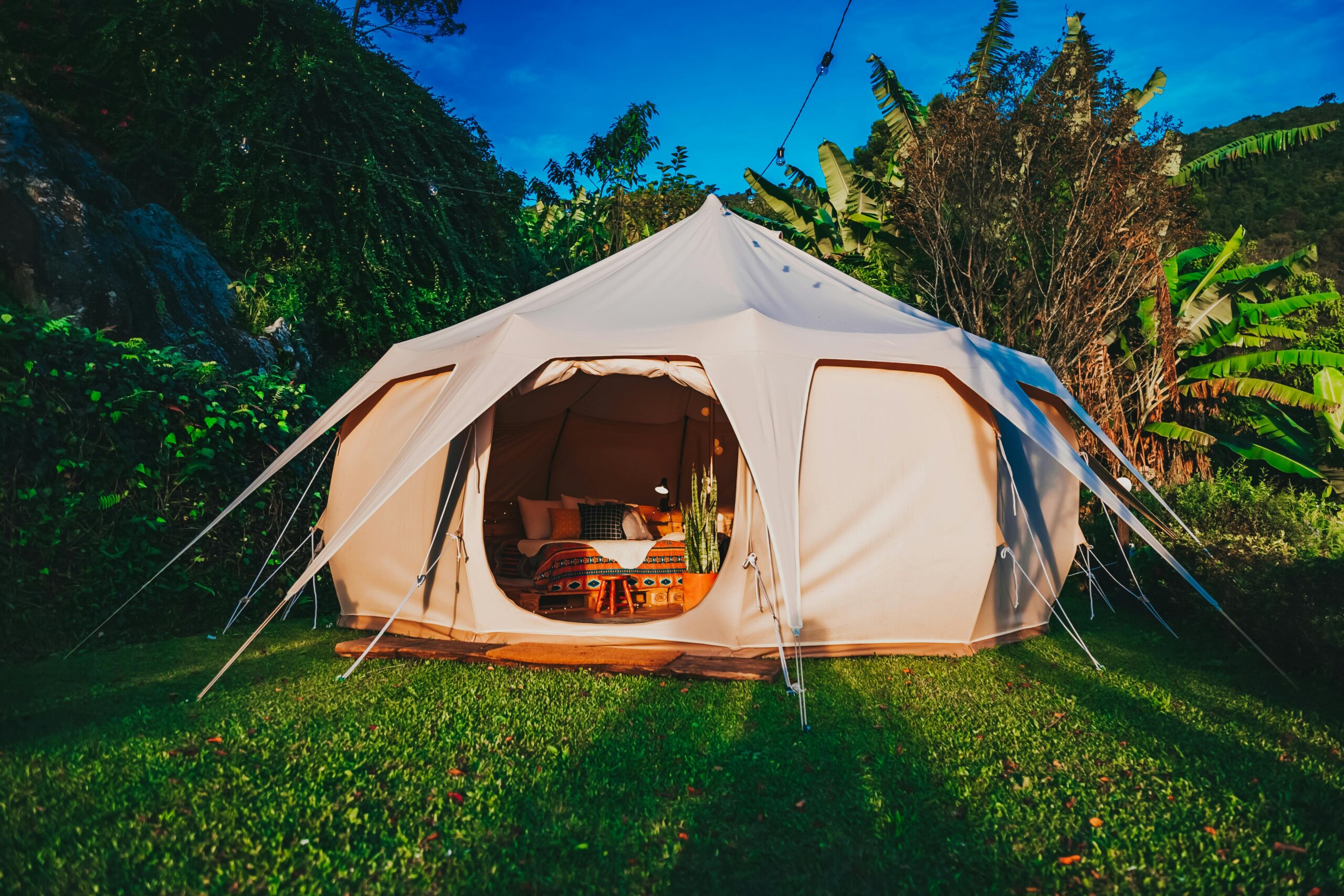
FIELD BRIEFING: When you’re deep in the bush, every ounce in your pack feels like a pound on your back. In the world of high-stakes backpacking, mobility is survival. If your shelter system is bulky, heavy, or slow to deploy, it’s not an asset—it’s a liability that…
When you’re deep in the bush, every ounce in your pack feels like a pound on your back. In the world of high-stakes backpacking, mobility is survival. If your shelter system is bulky, heavy, or slow to deploy, it’s not an asset—it’s a liability that compromises your perimeter.
Choosing the best lightweight tactical tents requires a calculated balance of three critical factors: weight, durability, and operational footprint. Whether you’re a solo scout on a reconnaissance mission or part of a two-man team, this debrief covers the elite shelter systems designed to keep you agile without compromising on protection from the elements.
1. Intelligence Gathering: Understanding the Specs
Before we look at the hardware, you need to understand how to read a spec sheet like a veteran quartermaster. Relying on marketing “fluff” instead of hard data is a recipe for mission failure.
Trail Weight vs. Packaged Weight
Ignore the “packaged weight” listed on the box. That includes the instructions, extra bags, and marketing materials you’ll strip away before deployment. Look strictly at the Minimum Trail Weight. This includes only the tent body, fly, and poles—the bare essentials you’ll actually be carrying on your back during the hump.
Denier (D) Rating: The Armor Plate of Your Tent
Denier measures the thickness of the fabric strands.
- 10D – 15D: Ultralight but thin. Requires professional-grade site recon to ensure you aren’t pitching on sharp shale or thorns.
- 20D – 40D: The “Sweet Spot” for lightweight tactical tents. It offers a balance of abrasion resistance and weight savings.
- 70D+: Heavy-duty, but usually too heavy for high-mobility missions.
Freestanding vs. Semi-Freestanding
A Freestanding unit can be deployed on any terrain—rock, sand, or wooden platforms—because the poles provide the structure. Semi-freestanding kits require stakes for tension. They save weight but demand better field-craft and specific ground conditions to remain stable.+1
2. The 2026 Field Report: Top Picks for the Modern Operator
After grueling field tests in diverse theaters, these are the seven primary shelter systems currently dominating the market.
I. The All-Rounder: Big Agnes Copper Spur UL2
For 2026, the Copper Spur remains the “gold standard.” It balances a low trail weight (approx. 3 lbs) with a fully freestanding design that can be pitched in seconds.
- The Intel: Recent fabric updates have eliminated harmful chemicals while increasing hydrostatic head (water resistance).
- Tactical Advantage: Specialized “awning-style” vestibules allow you to maintain a shaded observation post or a dry cooking area even in heavy rain.
II. The Stealth Specialist: Durston X-Mid 2
If you utilize trekking poles for your approach, the X-Mid 2 is your primary choice. It’s a masterclass in geometry, offering massive interior space without the weight of traditional tent poles.
- The Intel: The sil-poly fabric won’t sag when wet. This is critical for maintaining a tight, silent perimeter during a 0300-hour downpour.
- Tactical Advantage: Dual doors and a massive gear vestibule ensure your kit stays dry, organized, and immediately accessible.
III. The Heavy Weather Outpost: SlingFin Portal 2
When the mission takes you into high-wind zones or exposed ridgelines where “regular” tents fail, the Portal 2 is your “bombproof” option.
- The Intel: It features internal guy lines that act as a structural cage, giving it the strength of a four-season mountaineering tent at a fraction of the weight.
- Tactical Advantage: Superior durability for long-duration operations in hostile, high-altitude climates.
IV. The Base Commander’s Top Choice: Durston X-Dome 2
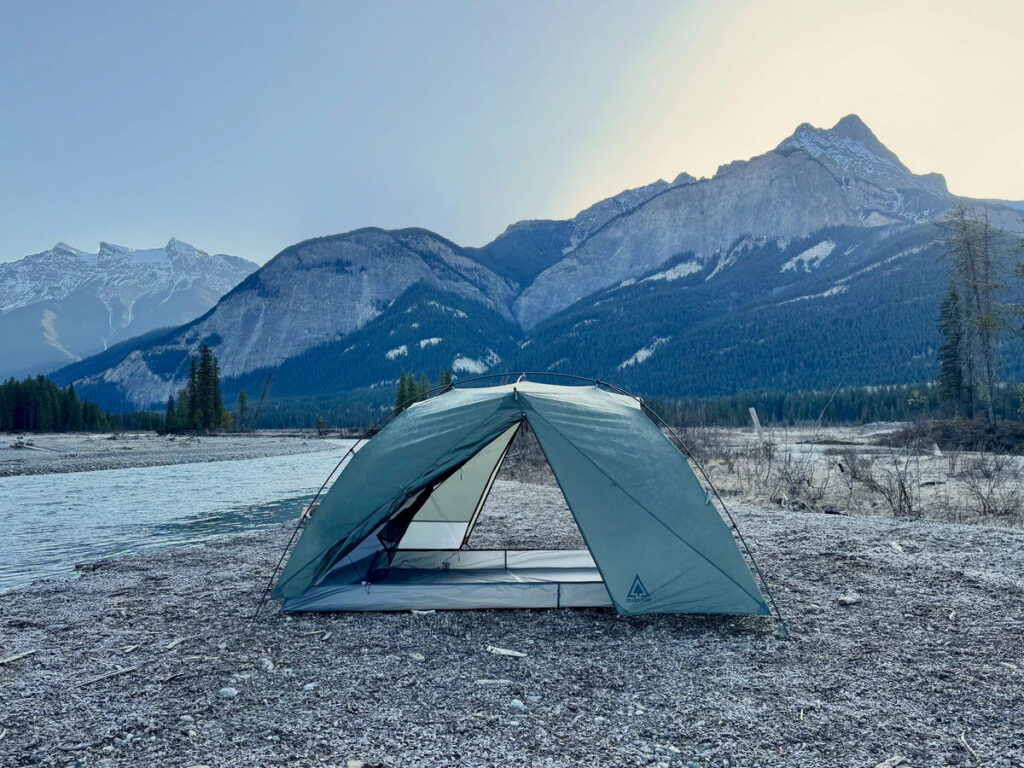
If you want the absolute best all-around shelter for 2026, our top recommendation is the Durston X-Dome 2.
- Field Briefing: The X-Dome 2 solves the “cramped” problem of most lightweight tactical tents. It uses a unique trapezoidal floor plan and carbon poles that provide the most usable interior space-to-weight ratio we’ve seen this year.
- Tactical Advantage: It’s freestanding, incredibly stable in crosswinds, and weighs in at a point that puts traditional “heavy” tents to shame.
V. The Solo Scout: Nemo Hornet Elite OSMO
When weight is the only metric that matters, the Hornet Elite is the “Ghost” of the trail.
- The Intel: Using OSMO fabric, it provides better water repellency and less stretch than traditional nylon.
- Tactical Advantage: Minimum footprint allows for pitching in tight, “stealth” locations where a larger tent would be spotted or wouldn’t fit.
VI. The High-Volume Loadout: MSR Hubba Hubba NX
A classic that has been battle-tested for over a decade. It’s the reliable “service rifle” of the tent world.
- The Intel: Easy-to-repair poles and a simple setup make it ideal for exhausted operators.
- Tactical Advantage: Exceptional ventilation keeps condensation at bay, ensuring your high-speed sleeping bag stays dry.
VII. The Budget Operator: REI Co-op Half Dome SL 2+
Not every mission has a Special Ops budget. The Half Dome offers professional-grade features at a civilian price point.
- The Intel: It’s slightly heavier but offers “plus” sized internal space for gear-heavy missions.
- Tactical Advantage: Durable materials can take a beating from dogs, boots, and rough terrain without immediate failure.
3. Tactical Deployment Tips (SOP)
Your lightweight tactical tents are only as good as your deployment strategy. Follow these Standard Operating Procedures (SOPs):
- Wind Orientation: Always set up with the smallest profile facing into the prevailing wind. This minimizes noise (flapping fabric) and reduces structural stress on the poles.
- Operational Moisture (Venting): Even in sub-zero environments, keep your vents open. Your breath releases nearly a liter of water overnight. Without venting, this turns into “interior rain,” soaking your down insulation and risking hypothermia.
- Low Profile (Stealth): Whenever possible, choose “Earth Tone” colors—Coyote, Sage, or Olive. Bright orange or blue tents are “Search and Rescue” beacons; Earth tones allow you to blend into the topography.
- Site Recon: Clear the ground of all debris before pitching. A 10D floor will not survive a 1-inch thorn. Use a dedicated footprint to extend the life of your “armor.”
4. Maintenance and Logistics
A true operator maintains their gear. After every mission:
- Dry Deployment: Never store a tent wet. This leads to mildew—the silent killer of waterproof coatings.
- Zipper Discipline: Use a silicone lubricant on zippers to ensure they don’t jam during a rapid egress.
- Field Repair Kit: Always carry Tenacious Tape and a pole repair sleeve. If your “armor” is breached, you need to be able to patch it in the dark.
Final Briefing
Your tent is your final line of defense against the elements. While “ultralight” is the objective, never sacrifice the ability to stay dry and recovered. A rested operator is a sharp operator.
Evaluate your terrain, calculate your load-out, and choose one of these lightweight tactical tents to ensure your mission is a success. If you want to dive deeper into the logistics of packing, check out our [Internal Guide to Pack Weight Distribution] (Placeholder Link).
Stay Light. Stay Fast.
"Observe, orient, decide, and act."