Tactical Camping Strategy: 10 Powerful Drills for Your First Deployment
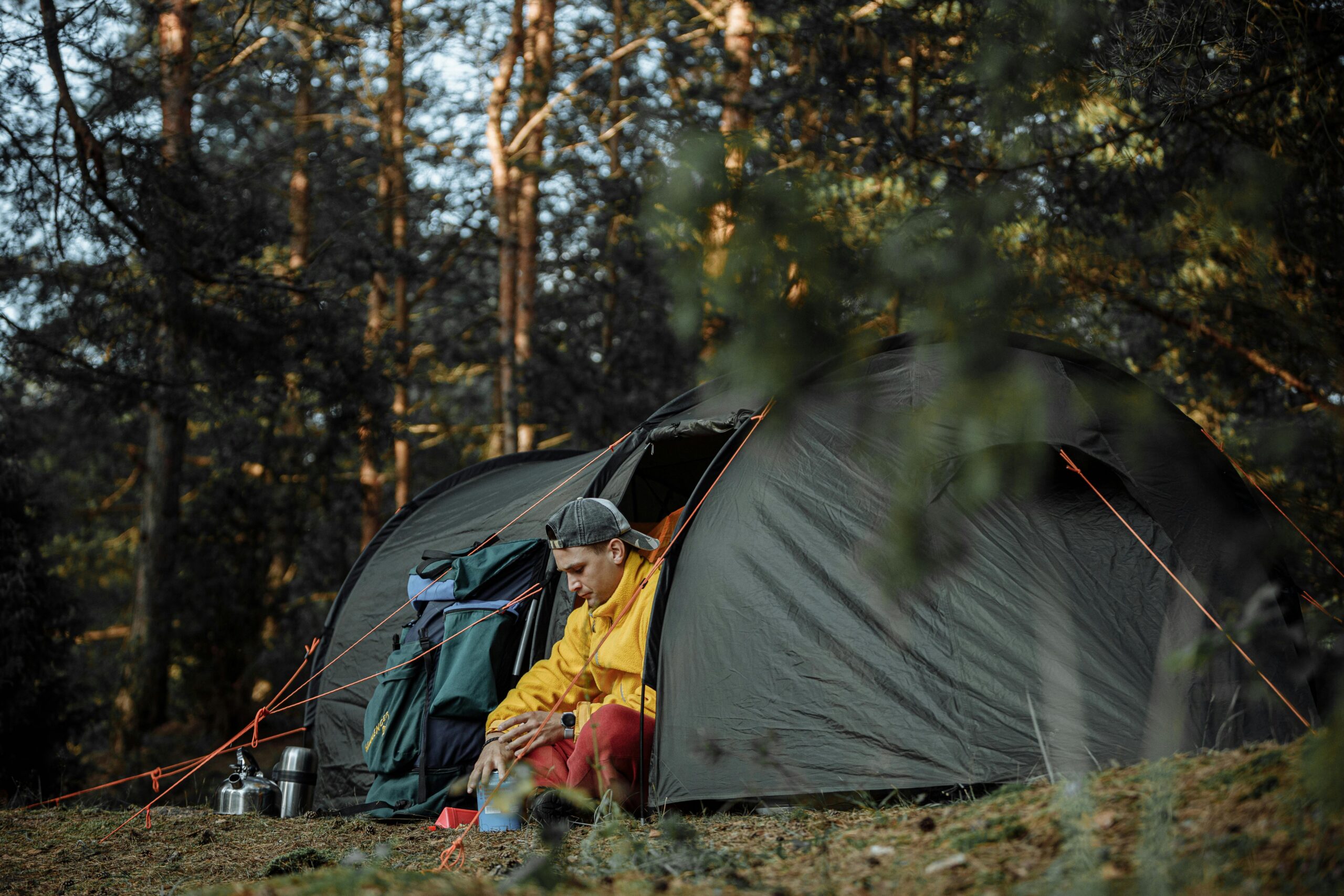
FIELD BRIEFING: Establishing your first perimeter in the great outdoors is a rite of passage for any aspiring operator. But let’s be clear: the wilderness doesn’t care about your good intentions—it only cares about your level of preparation. Without a comprehensive tactical camping strategy, a weekend under…
Establishing your first perimeter in the great outdoors is a rite of passage for any aspiring operator. But let’s be clear: the wilderness doesn’t care about your good intentions—it only cares about your level of preparation. Without a comprehensive tactical camping strategy, a weekend under the stars can quickly devolve into a disorganized retreat.
Whether you are eyeing a rugged ridgeline or a local state park, success lies in the granular details of your logistics. This field manual breaks down the essential intel you need to transition from a “civilian” to a capable woodsman, ensuring your first deployment is a tactical success rather than a survival situation.
1. Intelligence Gathering: Site Reconnaissance
Before you deploy, you need to know the layout of the land. Choosing the wrong “outpost” is the most common point of failure for new operators. Your tactical camping strategy begins long before you lace up your boots.
The 3-Hour Radius (Area of Operations)
For your maiden voyage, keep your base within a 180-mile radius of your home station. This ensures a viable line of retreat if gear fails, injuries occur, or morale drops. You want to test your kit in a theater where extraction is manageable.
Infrastructure Audit
Decide on your mission parameters. Do you require a “Frontcountry” base—complete with potable water, designated fire rings, and proximity to other teams—or a “Backcountry” position that is primitive, remote, and entirely self-sustained? For a first mission, a Frontcountry position allows you to stress-test your tactical camping strategy with a safety net.
Topographical Analysis
Use digital maps or satellite imagery to identify:
- Water Sources: Reliable hydration is non-negotiable.
- High-Ground Vantage Points: For better communication signals and weather monitoring.
- Potential Hazards: Identifying flood zones or “widow-makers” (dead trees) before pitching your shelter.
2. Logistics & Resource Allocation
Don’t let “budget creep” sabotage your mission. Tactical gear is an investment, but you don’t need a Special Ops budget for your first run. A smart tactical camping strategy prioritizes function over flash.
Priority One: The Sleep System
Spend the bulk of your capital on your “Sleep System” (tent, sleeping bag, and insulated pad). These are mission-critical components for physical recovery. If you don’t sleep, your cognitive function drops, and your “tactical camping strategy” falls apart by 0600 hours.
Resource Management
Account for every “dollar-per-deployment” cost:
- Permit Fees: Ensure your paperwork is filed with the local Ranger Station.
- Fuel Costs: Calculate the burn rate for your vehicle and your cooking stove.
- Rations: Calories are the fuel for your biological engine.
Pro-Tip: Don’t buy everything at once. Rent or borrow secondary gear until you’ve field-tested your specific needs. Check out REI’s Rental Program for high-grade equipment options.
3. Inventory: Building Your Field Kit
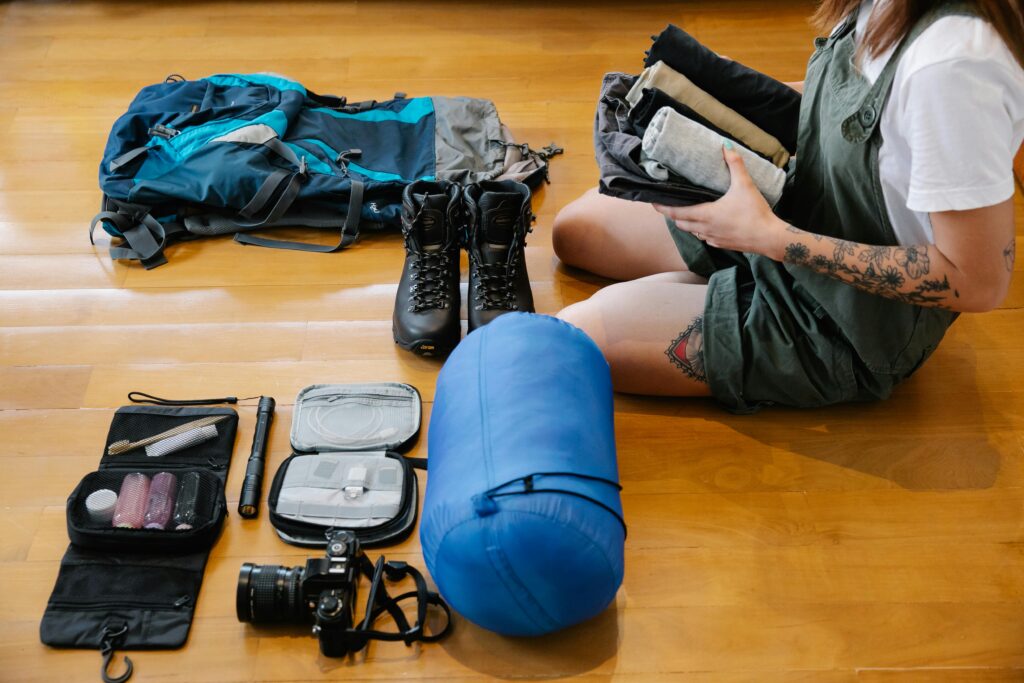
A disorganized kit is a liability. Your loadout should be categorized, weighed, and checked twice before departure.
The Shelter System
Your tent is your mobile command center. It must be durable, weather-rated, and easy to deploy in low-light conditions. Ensure you have heavy-duty stakes and a “footprint” (groundsheet) to protect your gear from ground-moisture infiltration.
The Sustainment Kit
A reliable stove—such as a Jetboil or MSR system—is vital. You need the ability to boil water in under three minutes regardless of wind conditions. Carry at least two liters of water storage per person, per day, as part of your primary tactical camping strategy.
The Uniform (Apparel)
Forget cotton; in the field, cotton is a liability that retains moisture and saps body heat. Layer with synthetics or Merino wool. You want moisture-wicking base layers, an insulating mid-layer, and a hard-shell outer layer for weather contingencies.
Standard Issue Safety
- IFAK (Individual First Aid Kit): Must include trauma shears, tourniquets, and basic wound care.
- Multi-tool: A Leatherman or Gerber is essential for field repairs.
- Primary Light Source: Headlamps are superior for hands-free operations during night-ops.
4. Rations and Hydration Strategy
In the field, calories are fuel. If your blood sugar drops, your decision-making follows, compromising the entire tactical camping strategy.
High-Yield Nutrition
Focus on “One-Pot” meals. Dehydrated rations (like Mountain House) or pre-measured pasta dishes minimize cleanup and maximize energy. Aim for a mix of complex carbs and high protein to sustain exertion.
Operational Security (OPSEC)
Wildlife is your primary “insurgent” threat. Use bear-resistant canisters or hang your rations (the “Bear Bag” method) at least 10 feet high and 4 feet from any tree trunk. Keep your “mess hall” separate from your “sleeping quarters” to maintain a secure perimeter.
5. Rules of Engagement: Safety & Compliance
The wilderness has its own set of laws. Ignorance is not an excuse, and a breach of protocol can lead to a SAR (Search and Rescue) incident.
Firecraft & Suppression
Check local “Burn Bans” before lighting a match. If fires are permitted, always have 5 gallons of water on standby for immediate suppression. A fire is a tool, not a toy; treat it with the respect a thermal weapon deserves.
Search and Rescue (SAR) Protocol
Always leave a “Float Plan” with a contact at home base. This is a critical component of a professional tactical camping strategy. Tell them exactly where you are going, your planned route, and the “Drop Dead” time—the exact hour they should call authorities if you haven’t checked back in.
6. The Dry Run: Pre-Deployment Drill
Never take a piece of gear into the field that hasn’t been tested in a controlled environment. This is where many “civilian” campers fail.
Conduct a backyard deployment.
- Pitch your tent in total darkness using only your headlamp.
- Boil a liter of water on your stove to check for leaks or clogged jets.
- Inflate your sleeping pad and leave it for four hours to ensure there are no slow leaks.
Mastering your equipment at home prevents a tactical collapse when the sun goes down and the temperature drops in the wild. If you’ve missed this step, your tactical camping strategy is just a theory.
7. Leave No Trace: Environmental Stewardship
A true operator leaves no sign they were ever there. This isn’t just about being “green”; it’s about maintaining the integrity of the training ground for those who follow. This “Low Profile” approach is the hallmark of an elite tactical camping strategy.
- Pack it in, Pack it out: Every piece of refuse, including organic waste, must be extracted.
- Standard Trail Discipline: Stay on the path to prevent erosion. Shortcuts are for those who don’t respect the terrain.
- Sanitation: Dispose of human waste according to “Cat Hole” regulations (6-8 inches deep, 200 feet from water).
Final Debrief
Your first camping mission isn’t just about surviving; it’s about gaining the skills to thrive in any environment. By implementing a disciplined tactical camping strategy, you move beyond the status of a tourist and become a true operator of the outdoors.
For more intel on refining your kit, check our [Internal Guide to Tactical Gear Maintenance] (Placeholder Link).
Mission Ready.
"Observe, orient, decide, and act."