Family Missions: Camping Activities for Kids and Beginners
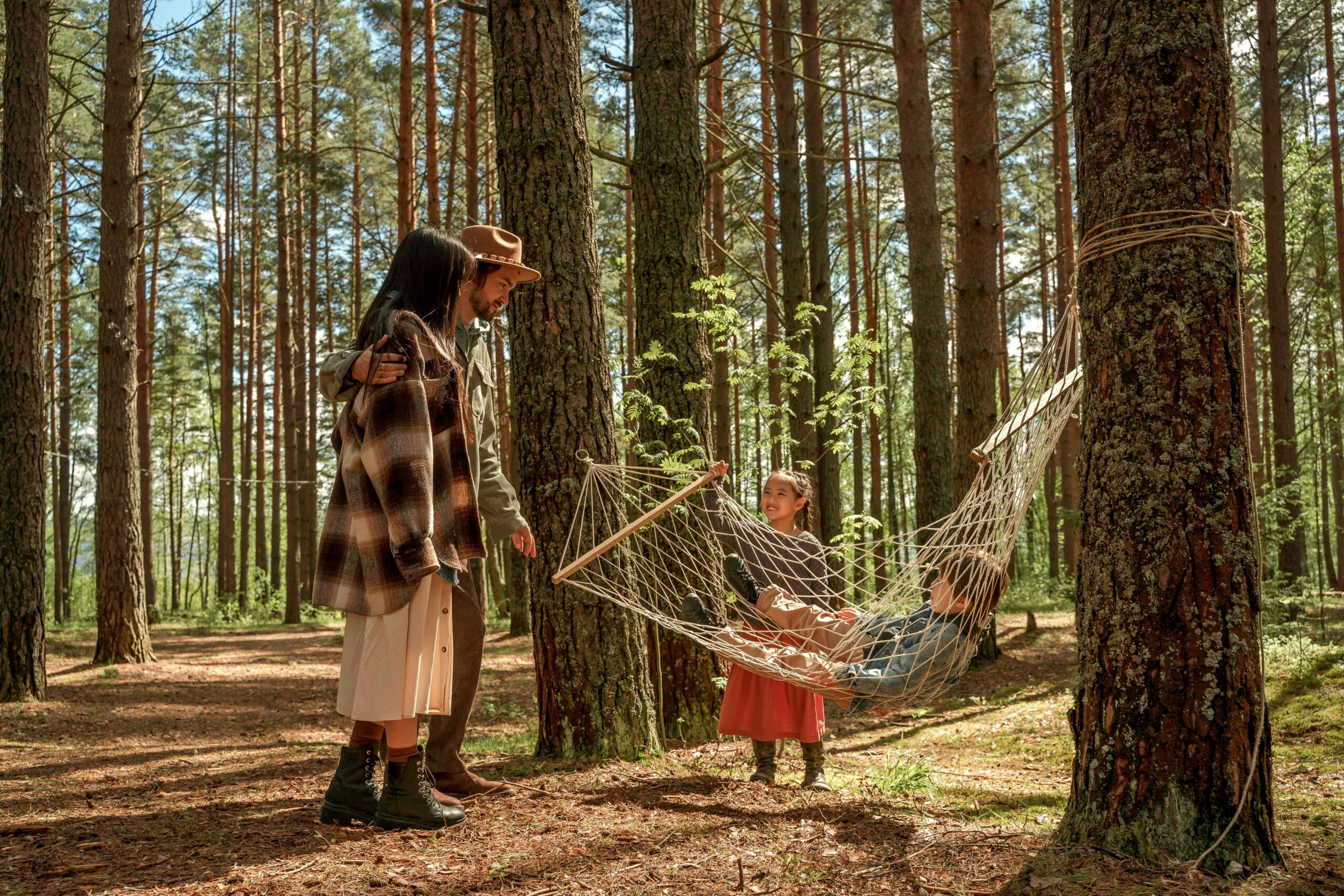
FIELD BRIEFING: FIELD BRIEFING: When you bring the family into the AO (Area of Operations), your role shifts from solo Scout to Mission Commander. Family missions: camping activities for kids and beginners are the best way to cultivate a “Tactical Mindset” in the next generation of explorers.…
FIELD BRIEFING: When you bring the family into the AO (Area of Operations), your role shifts from solo Scout to Mission Commander. Family missions: camping activities for kids and beginners are the best way to cultivate a “Tactical Mindset” in the next generation of explorers. By reframing standard chores as critical objectives, you maintain high morale and instill essential survival field-craft without the “boredom factor.”
In 2026, building field competence in beginners requires a balance of fun and functional responsibility. This briefing outlines 8 strategic activities to ensure your squad is mission-ready while enjoying the great outdoors.
1. The Scavenger Recon: Environmental Intelligence
Instead of a simple hike, issue a formal “Recon Objective.” This transforms a walk into an active search for “Environmental Intel,” sharpening the observational skills of young scouts. Give your team a list of items to “acquire” (sightings only, strictly adhering to Leave No Trace principles):
- The Apex Sight: Spot a bird of prey (hawk, eagle, or owl) to understand the local food chain.
- Tinder Recon: Identify a source of natural tinder, such as dry pine needles or birch bark, essential for emergency Sustainment Systems.
- Navigational Signage: Locate three different types of trail markers (cairns, blazes, or signs) to understand how “Analog Navigation” works in the field.
2. The “Junior Quartermaster” Drill: Operational Ownership
One of the most effective family missions: camping activities for kids and beginners is assigning specific roles that contribute to the success of the camp. When a beginner feels responsible for a system, their situational awareness increases ten-fold.
- The Water Officer: Tasked with monitoring the “Hydration Reserves,” ensuring all jugs are topped off and alerting the Commander when levels hit the 25% “Red Line.”
- The Light Specialist: Responsible for the “Illumination System.” This scout ensures all headlamps are checked for battery life and staged in a “Quick-Access” location before Night Ops (dusk) begin.
3. The “Base Commander” Tool: Celestron Outland X Binoculars
To keep the squad engaged during family missions: camping activities for kids and beginners, we recommend the Celestron Outland X 8×42 as a primary reconnaissance tool.
- Observation Tactics: These are waterproof and fog-proof, providing the “Operational Durability” needed for younger scouts who may be less careful with gear. High-quality optics turn a distant ridge into an “Observation Target,” allowing beginners to practice long-range spotting.
- Instructional Value: Using binoculars teaches beginners about “Field of View” and how to scan a landscape for movement—a skill that translates directly into our Wildlife Encounter Briefing.
4. Knot-Work Training: The “Secure the Perimeter” Mission
Beginners and younger scouts often struggle with the “fiddly” nature of ropes and cordage. However, by reframing this as a critical mission to “Secure the Gear,” you transform a frustrating chore into a high-stakes game of skill. In any family missions: camping activities for kids and beginners curriculum, knot-work is the foundational language of field-craft.
- The Objective: Issue a directive to secure a high-tension “Gear Line” between two sturdy trees. Instruct your beginners in the use of the Bowline (the “King of Knots”) for the fixed anchor and the Taut-Line Hitch for the adjustable end. These knots are essential for managing a “Bear Bag” hang or creating a dry line for airing out damp clothing.
- The Tension Test and Load Dynamics: Once the knots are seated, have the scouts conduct a “Stress Test” by hanging a weighted rucksack from the center of the line. If the Taut-Line Hitch allows for easy adjustment but holds firm under the weight of the pack, the mission is a “Full Success.” This practical application builds the specific manual dexterity and “Friction Logic” required for deploying advanced Shelter Systems or securing gear in high-wind environments.
5. Tactical Shelter Build: The “Bivvy” Race
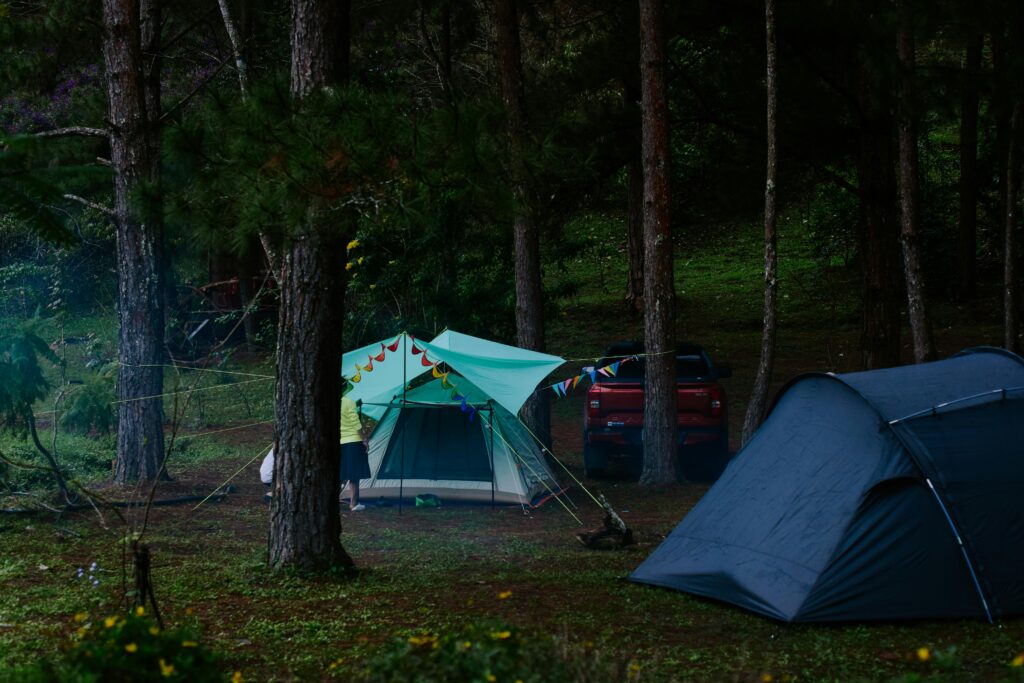
Instead of the adults doing all the work, involve beginners in the “Hard-Point” construction. This is a foundational pillar of family missions: camping activities for kids and beginners.
- The Setup: Challenge them to clear the “Tent Pad” of all “Debris” (rocks and sticks) that could puncture the floor.
- The Drill: Show them how to seat a tent pole and have them “Race the Rain” (even on a sunny day) to see how quickly they can snap the fly into place. This builds the muscle memory needed for actual Field Setup Deployment.
6. Fire-Side “Sustainment” Cooking: Thermodynamic Safety
Food is the ultimate morale-booster in any AO, but the kitchen zone is also a high-consequence environment. Teaching beginners to safely manage a stove or a campfire is a major milestone in their journey toward field independence and thermal management.
- Caloric Prep & Ratio Control: Let your beginners lead the “Sustainment System” by measuring the precise water-to-fuel ratios for dehydrated meals. This teaches them that resources are finite. If using a backpacking stove, instruct them on the importance of a level “Stove-Base” to prevent spills, and let them observe how wind affects boil times.
- The “3-Foot Safety Circle”: Establish a strict 3-foot “Safety Circle” (the “No-Fly Zone”) around the fire or stove. Anyone entering this perimeter must announce their presence (e.g., “Coming in!”) to prevent accidental bumps or burns. This drill instills a high degree of Spatial Awareness and teaches beginners to respect the volatile nature of heat sources in a wilderness setting.
7. The Night-Scan: Nocturnal Signature Management
Once the sun dips below the horizon, the mission shifts from visual scouting to “Nocturnal Awareness.” Reframing the “scary” aspects of the dark into a tactical objective helps beginners overcome anxiety by giving them a specific, purposeful role in the squad’s security.
- Perimeter Eyeshine Identification: Using their Black Diamond Headlamps, have the young scouts practice “Scanning the Tree-Line.” Teach them to hold the light at eye level to better catch the tapetum lucidum (reflective layer) of local wildlife. Discussing the different colors of eyeshine—as detailed in our Wildlife Encounter Briefing—turns a potential fear into a high-level reconnaissance exercise.
- Analog Celestial Navigation: Use a stargazing app as a training wheels tool to locate the North Star (Polaris). Explain that while our Navigation and Comms systems are powerful, they rely on batteries and satellites. For centuries, scouts have used this “Fixed Point” for orientation. Teaching a child to find “True North” ensures they have a permanent, fail-safe compass in their mind that never runs out of power.
8. The “Leave No Trace” Extraction Sweep: AO Sanitization
The mission is not officially terminated until the extraction is complete and the AO has been “Sanitized.” This final phase teaches the “No-Trace” Stealth Doctrine, emphasizing that a professional operative leaves no evidence of their presence behind.
- The Tactical “Line-Sweep”: Before the final move-out, have the entire squad stand in a shoulder-to-shoulder line. On your command, walk the campsite slowly in a “Grid Search,” looking for even the smallest “Micro-Trash”—tiny corners of granola bar wrappers, stray threads, or spilled food scraps. These items aren’t just litter; they are “Bio-Signals” that can attract predators to the site after you leave.
- Mission Success Criteria: Only when the site looks identical to how it appeared upon arrival does the “Mission Commander” declare the operation a success. This reinforces a sense of pride and environmental stewardship, ensuring the next generation understands that “High-Impact Gear” should always result in a “Low-Impact Footprint.”
Final Debrief: Building the Next Generation
Family missions: camping activities for kids and beginners are about more than just a weekend trip; they are about fostering resilience, responsibility, and a deep respect for the wild. By treating your family like a tactical squad, you ensure everyone stays safe, engaged, and ready for the next deployment.
Assign the Roles. Secure the Site. Stay Ready.
"Observe, orient, decide, and act."