9 Essential Gadgets and Tools for Modern Tactical Campers to Maintain the Edge
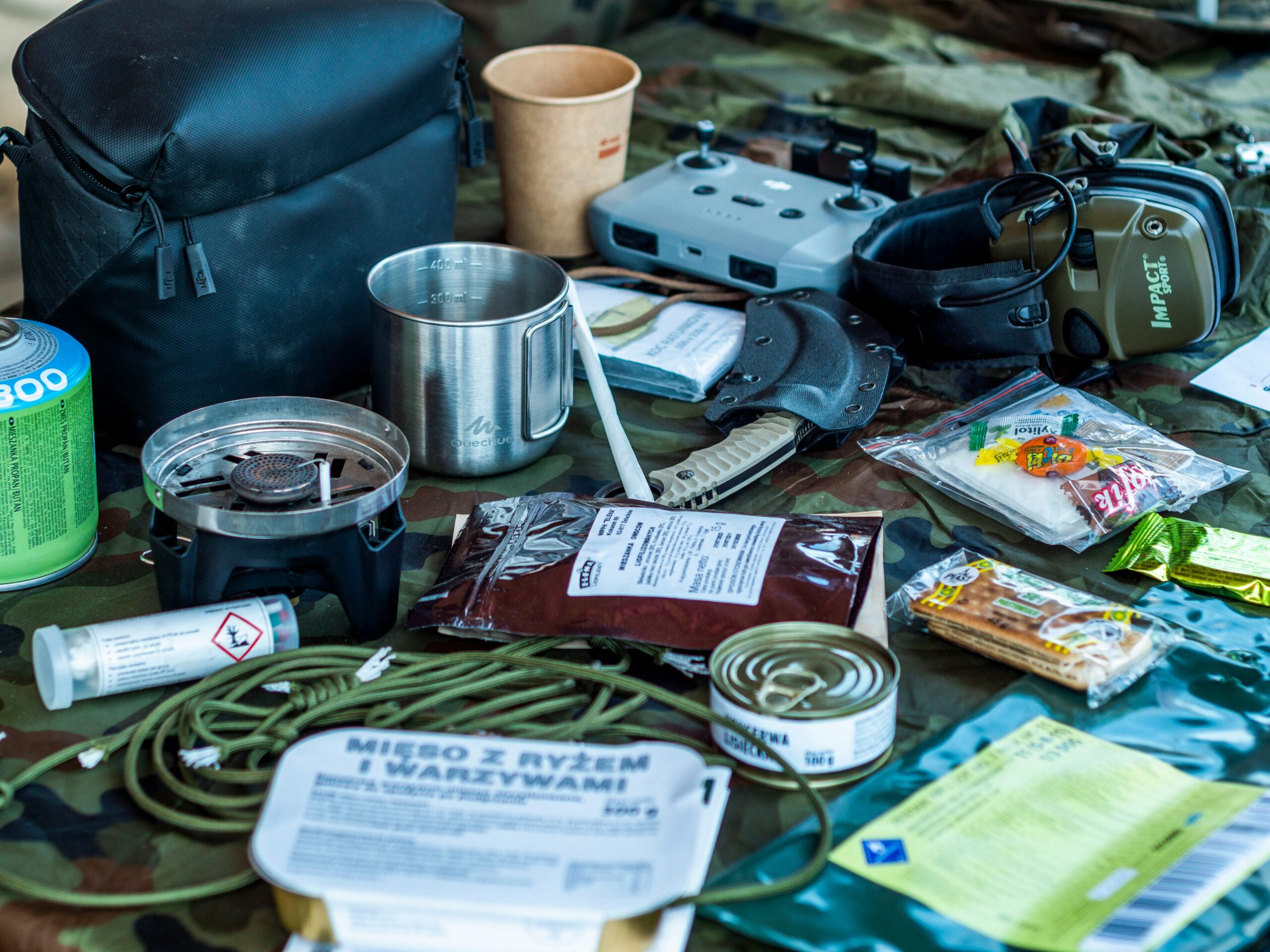
FIELD BRIEFING: Deploying with essential gadgets and tools for modern tactical campers allows you to maintain a “Technological Edge” over the elements. While traditional woodcraft and bushcraft skills are the foundation of survival, 2026 technology provides sensors and power solutions that significantly increase your safety margin and…
Deploying with essential gadgets and tools for modern tactical campers allows you to maintain a “Technological Edge” over the elements. While traditional woodcraft and bushcraft skills are the foundation of survival, 2026 technology provides sensors and power solutions that significantly increase your safety margin and operational efficiency. In a high-stakes environment, data is just as valuable as dry tinder.1. Power Management in the Field: Energy Logistics
You cannot rely on your mission-critical hardware if you cannot power it. In the modern theater of operations, “Energy Scarcity” is a primary threat that can lead to total operational “Blackout.” High-capacity portable power banks have transitioned from optional accessories to standard-issue essential gadgets and tools for modern tactical campers. Without a disciplined power budget, your GPS, headlamp, and comms become dead weight.
- Capacity and Throughput Efficiency: When selecting your energy core, look for units with a minimum of 10,000mAh capacity, though 20,000mAh is the sweet spot for 72-hour missions. More importantly, verify the device supports “PD” (Power Delivery) protocol. Standard USB charging is a “Soft Target”—it’s too slow for field use. PD fast-charging allows you to dump energy into a dead satellite communicator or smartphone in a fraction of the time, reducing the “tethered window” where your gear is vulnerable and immobile.
- Cycle Life and Port Management: Opt for units with ruggedized USB-C ports, as these are less prone to failure than the older micro-USB standard. Ensure your power bank features “Pass-Through Charging,” allowing you to charge the bank via a solar array while it simultaneously powers a secondary device.
- Thermal Regulation and Kinetic Storage: Lithium-ion batteries are chemically sensitive to environmental extremes. In cold-weather ops, the electrolyte fluid thickens, increasing internal resistance. If a battery “freezes,” it can lose up to 40% of its effective capacity instantly. Tactical SOP: Always store your power banks in an internal mid-layer jacket pocket. By using your body as a thermal regulator, you maintain the battery’s voltage and ensure it is mission-ready the moment you need to plug in.
2. Specialized Field Sensors: Digital Reconnaissance
Modern scouting involves more than just visual observation; it involves the precision quantification of your Area of Operations (AO). Incorporating digital sensors into your loadout allows you to detect invisible environmental threats before they compromise your squad’s safety. These are truly the essential gadgets and tools for modern tactical campers who demand situational awareness.
Thermal Imaging and Signature Detection: Smartphone-integrated thermal cameras, such as the FLIR ONE Edge or Seek Thermal attachments, have revolutionized night-ops for the tactical camper. These sensors allow you to scan the dark “dead zones” around your perimeter for heat signatures. Whether you are identifying a bear lurking in the brush or detecting the thermal signature of a previous campfire, these attachments allow you to “see” without the use of visible white light, preserving your night vision and keeping your position screened from prying eyes.
Atmospheric Intelligence (Kestrel-Class Data): Digital anemometers and high-precision barometers are force multipliers. A rapidly dropping barometric pressure reading (indicated by a “Trend Arrow” on modern devices) is a definitive early-warning signal of an incoming low-pressure front. This data allows you to “Hard-Harden” your shelter and secure your perimeter before the first drop of rain hits, preventing a reactive “emergency” setup in a downpour.
Hydro-Intelligence and Chemical Analysis: Do not play “Russian Roulette” with your hydration. Carry a digital TDS (Total Dissolved Solids) tester. While not a replacement for filtration, it allows you to measure the concentration of dissolved particles, helping you choose the “cleanest” source among several options. Pair this with a high-spectrum UV purification sensor (like a SteriPen), which uses ultraviolet light to destroy the DNA of protozoa, bacteria, and viruses. This dual-layered approach ensures your squad remains combat-effective and free from debilitating water-borne pathogens.
3. The “Base Commander” Tool: Dark Energy Poseidon Pro
For a power source that matches your tactical lifestyle, we recommend the Dark Energy Poseidon Pro. When essential gadgets and tools for modern tactical campers fail, it’s usually due to physical trauma or water ingress. The Poseidon Pro is built to survive both.
Field Briefing: * Tactical Durability: This isn’t a civilian plastic brick. It is virtually indestructible—waterproof (IP68 rated), “shockproof,” and has even been ballistic-tested. It can survive drops onto jagged rock that would shatter standard electronics.
4. Satellite Communication and Emergency Extraction
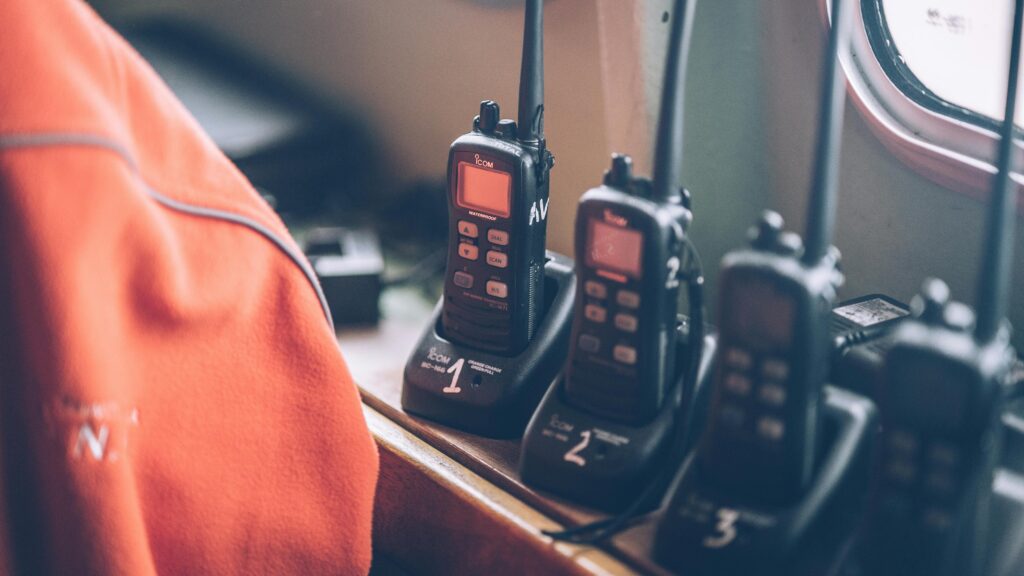
In areas where cellular grids are non-existent or compromised, a dedicated satellite messenger is a non-negotiable component of your essential gadgets and tools for modern tactical campers list. This isn’t just about convenience; it is your primary “Lifeline” for coordination and extraction when the “Red Bar” of death is your only cell signal.
- The Global Link: Iridium Network Dominance: Devices such as the Garmin inReach Messenger, Zoleo, or Somewear Global Hotspot utilize the Iridium satellite constellation—a network of 66 cross-linked satellites providing 100% global coverage. Unlike “Civilian-grade” phones that require a clear view of a specific tower, these units allow for 2-way text messaging from the bottom of deep canyons or under dense forest canopies. This allows you to check in with “Home Base” (family or ops-command), receive real-time weather alerts via satellite, and—most importantly—coordinate a medical extraction with precise GPS coordinates.
- The SOS Protocol and GEOS Coordination: These devices feature a “Hard-Key” SOS button, usually protected by a physical guard to prevent accidental deployment. When triggered, your distress signal and exact coordinates are routed to the IERCC (International Emergency Response Coordination Center). They maintain a direct line to local Search and Rescue (SAR) assets, ensuring that your extraction is handled by professionals who know exactly where to find your “Hard Point.”
- Navigation Overlay and Redundant Mapping: Beyond communication, these units serve as a critical fail-safe for your navigation. Most modern units allow for Offline Topographical Map Syncing via a paired smartphone or a high-resolution onboard display. This ensures that even if your primary handheld GPS suffers a hardware failure or a “Soft-Target” battery crash, you have a redundant, space-based navigation solution in your pocket. You can track your progress, drop digital breadcrumbs (waypoints), and navigate back to your trailhead with sub-meter accuracy.
- Power-Efficient “Pinging”: Tactical messengers are engineered for extreme battery longevity. While a smartphone will drain its battery searching for a non-existent LTE signal, a satellite messenger remains in a low-power “Listening” state, often capable of running for 200 to 300 hours on a single charge. This makes it one of the most reliable essential gadgets and tools for modern tactical campers during multi-week long-range reconnaissance missions.
Final Debrief
The goal of integrating essential gadgets and tools for modern tactical campers is not to replace your woodcraft skills, but to augment them. By mastering energy logistics and sensor data, you transform from a passive occupant of the wilderness into an active, informed operator.
Charge Your Gear. Scan Your Sector. Stay Ready.
"Observe, orient, decide, and act."