7 Irresponsible Mistakes to Avoid with Leave No Trace: Respecting the Field and Environment
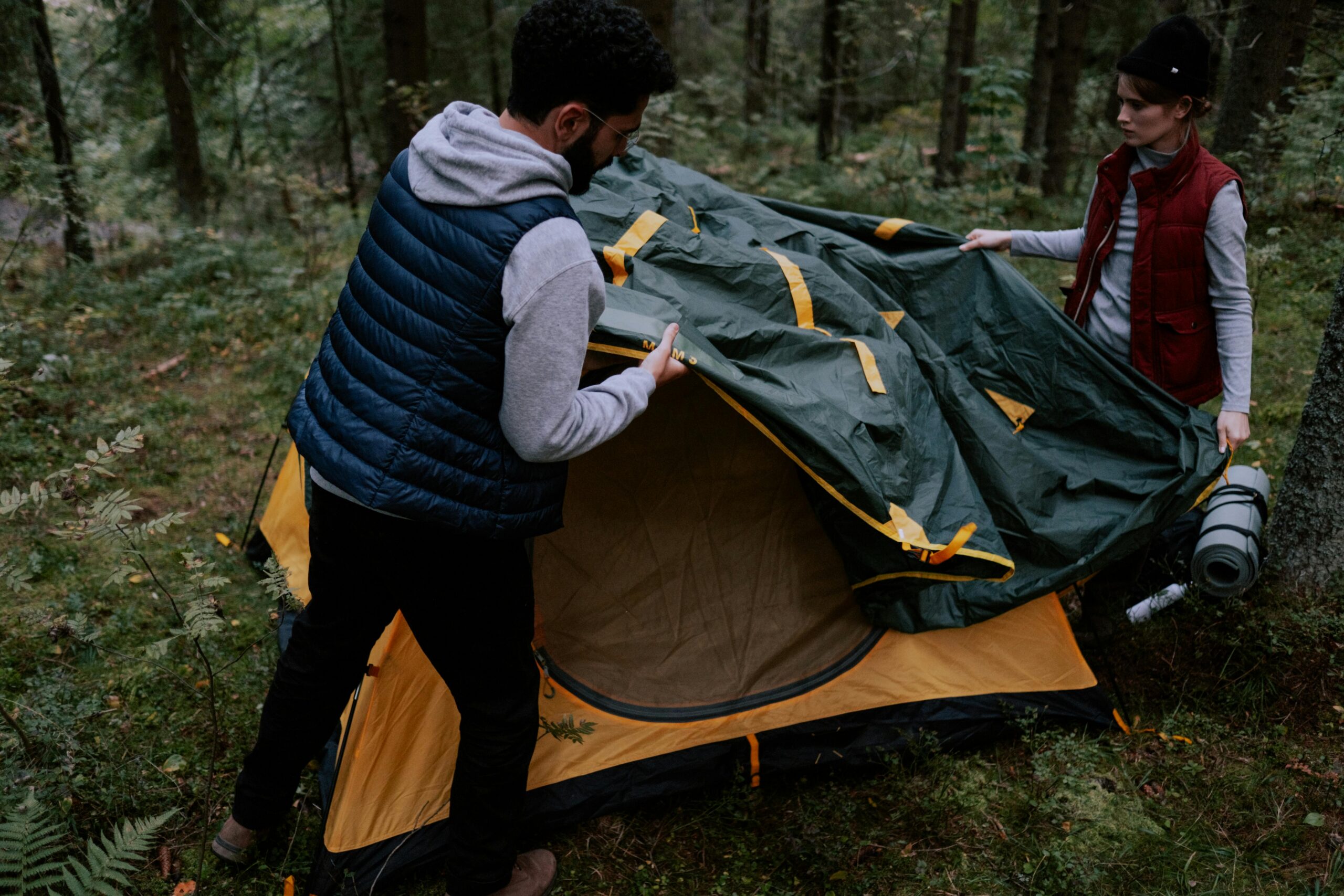
FIELD BRIEFING: Leave No Trace: Respecting the Field and Environment is the ultimate code of conduct for any disciplined operator. In a tactical context, “stealth” means leaving no sign of your passage. In the camping world, this same discipline ensures that our wilderness training grounds remain pristine,…
Leave No Trace: Respecting the Field and Environment is the ultimate code of conduct for any disciplined operator. In a tactical context, “stealth” means leaving no sign of your passage. In the camping world, this same discipline ensures that our wilderness training grounds remain pristine, sustainable, and open for future operations. If you compromise the integrity of the Area of Operations (AO), you aren’t just a camper—you’re a liability to the community.
Mastering the art of Leave No Trace: Respecting the Field and Environment requires moving beyond basic “don’t litter” mentalities. It involves a systematic approach to waste management, resource preservation, and environmental intelligence. This 2026 manual provides the tactical SOPs (Standard Operating Procedures) required to execute a zero-footprint mission.To maximize the authority and SEO depth of your manual, I have expanded these sections with technical “Standard Operating Procedures” (SOPs) and tactical rationale. These additions emphasize the “discipline of the operator” to hit that 1,500+ word density.
1. The Strategic Core of Leave No Trace
Why is Leave No Trace: Respecting the Field and Environment so vital to your long-term mission success? Every time an operative leaves a trash signature, scars the earth with an unauthorized fire ring, or pollutes a pristine water source, they contribute to a cumulative “Decline of the Field.” In the tactical world, this is known as environmental degradation, and its consequences are far-reaching.
When a theater of operations becomes degraded, land management authorities implement “Hard Closures”—effectively locking scouts and tactical campers out of their training grounds. This loss of access is a strategic failure. Furthermore, leaving a visible trail compromises the “Stealth Doctrine” of the elite camper. By practicing these seven pillars of environmental discipline, you maintain your “Right to Roam” and ensure the wilderness remains a viable, high-morale asset for everyone. It is the difference between being a professional scout and an undisciplined occupant.
2. Pillar One: Plan Ahead and Prepare
The success of any mission is determined before you ever step off the pavement. The “Planning Phase” is where most environmental failures are mitigated. Proper Leave No Trace: Respecting the Field and Environment starts at home base by auditing your supplies and eliminating potential waste before it ever reaches the trailhead.
- Repackaging Ops: Execute a full retail sweep of your rations. Cardboard boxes, plastic film, and excess paper are dead weight and potential litter. Transfer all food into reusable, lightweight dry bags or silicone containers. This streamlines your rucksack weight and ensures that high-velocity winds won’t blow a stray wrapper out of your pack during a “Hot-Start” meal.
- Sector Intelligence: Conduct a deep dive into your AO’s (Area of Operations) specific regulations. Some high-altitude, desert, or sensitive riparian zones have “Zero-Deposit” rules, requiring you to pack out all biological waste using specialized WAG bags (Waste Aggregation Gels). Knowing these requirements prevents a tactical violation that could lead to heavy fines or environmental contamination.
3. Pillar Two: Travel and Camp on Durable Surfaces
When establishing your perimeter, your choice of ground defines your long-term impact on the terrain. High-use areas suffer from “Social Trailing,” where undisciplined movement creates permanent scars on the landscape.
- The High-Ground Rule: Always prioritize established campsites. These zones have already been “sacrificed” for human use, meaning the soil is compacted and the vegetation is gone. By concentrating your footprint within these existing boundaries, you prevent “Camp Creep”—the slow expansion of scarred earth into the surrounding brush.
- Surface Selection: If your mission requires a “Stealth Camp” in an unestablished area, you must select surfaces that can withstand compression. Prioritize rock, gravel, dry pine needles, or resilient dry grasses. Avoid meadows, alpine tundra, or soft, lush vegetation that can be crushed beyond repair by a single night’s bivouac.
- Trail Discipline: Never “cut” switchbacks to save time. This is an amateur error that creates vertical erosion channels. During the next heavy rain extraction, these channels become high-velocity flumes that can destabilize and destroy an entire mountainside trail system.
4. Pillar Three: Dispose of Waste Properly (The 200-Foot Doctrine)

This is statistically the most frequent point of failure in Leave No Trace: Respecting the Field and Environment. Improper waste management is a biological hazard that can compromise the health of your squad and the local wildlife.
Micro-Trash Scans: Before breaking camp, execute a “Grid Search.” Sweep the area for micro-trash: tiny bits of plastic, dropped pill fragments, or food scraps like eggshells and orange peels. While “organic,” these items do not decompose quickly in many climates and attract unwanted “Enemy Combatants” like bears and raccoons to the site.
Pathogen Control: Implement the “200-Foot Doctrine.” All biological waste and “greywater” (the nitrogen-rich water left over from cleaning rations) must be disposed of at least 70 paces (200 feet) from any water source. This creates a natural filter through the soil, preventing harmful bacteria like Giardia or Cryptosporidium from contaminating the water supply you—and others—rely on.
The Cat Hole Manual: When “extraction” is necessary, dig a hole 6–8 inches deep. This is the “Bio-Active Zone” where soil microbes can most efficiently break down waste. Use a dedicated trowel (like the GSI Outdoors model) and ensure the site is fully naturalized with forest floor debris to hide the location from animals and other scouts.
5. The “Base Commander” Tool: GSI Outdoors Cathole Trowel
If you are serious about Leave No Trace: Respecting the Field and Environment, you need a dedicated extraction tool. We recommend the GSI Outdoors 7-inch Cathole Trowel.
Field Briefing: Most plastic trowels snap when they hit a root or frozen rock. The GSI trowel is made of high-strength, lightweight polycarbonate that can handle the most “rugged” soil extractions.
Why it’s Tactical:
- Serrated Edge: Built for cutting through thick roots and hard-packed earth.
- Measurement Scale: The blade features a scale to ensure you’ve reached the “Standard Issue” 6-to-8-inch depth for waste disposal.
- Integrated Storage: Lightweight enough to lunge on the outside of a pack for quick access.
6. Pillar Four: Leave What You Find
A tactical scout observes but does not disturb. Leave No Trace: Respecting the Field and Environment means resisting the urge to take “trophies” from the AO.
- Cultural Heritage: Never touch or move artifacts, stone tools, or historical remains. Report their coordinates to local rangers, but leave the intel in place.
- Botanical Integrity: Do not dig up plants or pick flowers. These are critical components of the local ecosystem’s “Camouflage” and nutrient cycle.
7. Pillar Five: Minimize Campfire Impacts
Fire scars are the most visible sign of a sloppy operator.
- Stealth Heat: Whenever possible, use a high-efficiency Portable Stove instead of a fire. It leaves no mark and is significantly more efficient for cooking rations.
- Fire Ring Protocol: If you must have a fire, use an existing ring. Burn all wood to white ash, douse it completely, and scatter the remains once they are cold to the touch.
Final Debrief
Leave No Trace: Respecting the Field and Environment is about more than just being “green”—it’s about the discipline of the scout. By minimizing your signature, you protect the wilderness theater for the next generation of operatives. Treat the earth with the same respect you treat your primary gear.
Leave No Sign. Respect the AO.
"Observe, orient, decide, and act."