9 Budgeting for Your First Camping Operation Strategies to Avoid Costly Mistakes

FIELD BRIEFING: Budgeting for your first camping operation is the most critical logistical hurdle for any new recruit. Many beginners make the tactical error of overspending on “high-speed, low-drag” gear before they’ve even spent a single night under the stars. In the field, having a $600 tent…
Budgeting for your first camping operation is the most critical logistical hurdle for any new recruit. Many beginners make the tactical error of overspending on “high-speed, low-drag” gear before they’ve even spent a single night under the stars. In the field, having a $600 tent is useless if you’ve run out of funds for fuel, rations, and transportation.
Executing a successful budgeting for your first camping operation strategy requires a disciplined approach to resource allocation. You need to distinguish between “mission-critical” gear and “optional extras.” This field manual will show you how to build a world-class outdoor kit without bankrupting your home base, ensuring your first deployment is financially sustainable.
1. The Financial Landscape of Your Operation
Before you deploy to your local outdoor retailer, you must establish a hard ceiling for your spending. Proper budgeting for your first camping operation involves looking at four primary spending sectors:
- Hardware (The Big Three): Shelter, Sleep System, and Pack.
- Logistics: Fuel, permits, and campsite reservation fees.
- Sustainment: Rations, water filtration, and cooking gear.
- Security: First aid, lighting, and navigation tools.
By breaking down your costs into these sectors, you can prioritize where to invest in quality and where to hunt for “surplus” savings.
2. Sector One: Hardware and the “Big Three” Doctrine
When budgeting for your first camping operation, the majority of your capital will go toward your tent, sleeping bag, and sleeping pad. These items define your comfort and safety in the theater of operations.
The Shelter (Tent)
You don’t need a four-season mountaineering tent for a summer mission. Look for “Three-Season” tents from reputable brands like Kelty or ALPS Mountaineering. These provide the best price-to-performance ratio for new operators.
The Sleep System
Never skimp on your sleeping pad. A cheap bag can be supplemented with extra layers, but a cheap pad will let the frozen ground siphon your core heat. In your budgeting for your first camping operation, prioritize an insulated pad with a verified R-value.
3. Sector Two: Operational Logistics and Hidden Fees
A common failure in budgeting for your first camping operation is forgetting the “hidden” costs of the mission that don’t come in a box.
- Permit Intelligence: Depending on your Area of Operations (AO), you may need backcountry permits or vehicle passes. State parks often charge nightly fees ranging from $15 to $45.
- Transportation Fuel: Calculate your round-trip mileage. If you are driving a heavy-duty rig loaded with gear, fuel costs can consume a significant portion of your operational budget.
- Off-Peak Advantage: To maximize your funds, consider mid-week deployments. Many campsites offer reduced rates from Tuesday to Thursday.
4. Sector Three: Sustainment and Rations
You don’t need expensive, pre-packaged “astronaut food” for every meal.
Grocery Store Recon: You can find high-calorie, lightweight rations at any local grocery store. Instant oatmeal, tuna pouches, and Knorr pasta sides are “Budget-Friendly” alternatives to $15 dehydrated camping meals. When budgeting for your first camping operation, “shopping the perimeter” of the grocery store can save you 60% on food costs.
5. The “Base Commander” Tool: TETON Sports Explorer 4000
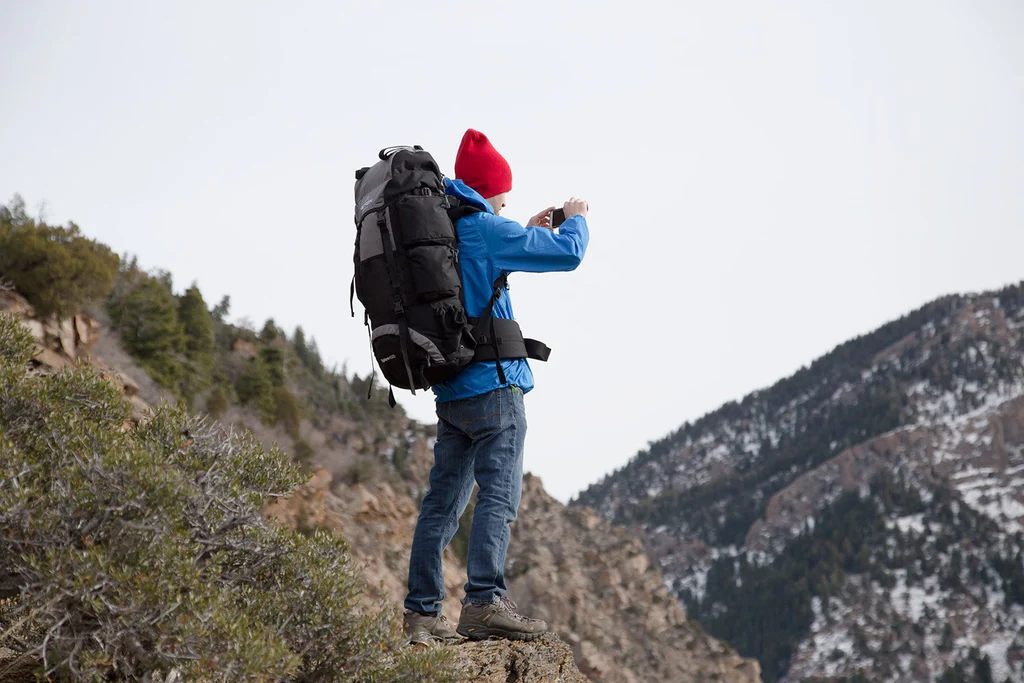
If you are looking for a “Force Multiplier” that fits perfectly into your budgeting for your first camping operation, we recommend the TETON Sports Explorer 4000 Internal Frame Backpack.
Field Briefing: The TETON Explorer 4000 is the ultimate “Budget Operator” pack. While elite packs can cost upwards of $300, the TETON offers 65 liters of storage and multi-point compression straps for a fraction of that price.
Why it’s Tactical:
- Integrated Rainfly: Most high-end brands charge extra for this; TETON includes it.
- Durability: Rugged 600D polyester construction that survives heavy brush.
- Adjustability: Fits a wide range of torso sizes, making it a safe investment for beginners.
6. Sourcing Surplus: The “Used Gear” Strategy
To achieve an elite kit while budgeting for your first camping operation, you must utilize secondary markets.
- REI Re/Supply: This is where high-end gear that was returned is sold at a massive discount. It’s the “Secret Weapon” of budget-conscious operators.
- Facebook Marketplace Recon: Look for “civilians” who bought expensive gear for one trip and are now selling it for 50% off.
- Rental Ops: Renting gear from an outfitter like REI is a brilliant move. It allows you to field-test premium gear for $30 instead of $300 before you commit to a purchase.
7. Tactical Gear Maintenance: Protecting Your Investment
Once you have executed your budgeting for your first camping operation and acquired your kit, you must maintain it to avoid “Repurchase Syndrome.”
- Dry Storage: Never store a tent wet. Mildew is a gear-killer that will turn your investment into trash in less than a week.
- Uncompressed Loft: Store sleeping bags uncompressed (not in their stuff sacks) to maintain the insulating properties of the fill.
8. DIY Field-Craft: Saving on Accessories
Many accessories can be improvised with household items. Use a plastic water bottle as a “radiant heat core” (see our Winter Camping Guide) or use industrial trash bags as pack liners instead of buying expensive dry bags.
9. Calculating the “Cost-Per-Mission”
The final step in budgeting for your first camping operation is calculating the longevity of your gear. Spending $100 on a pair of boots that lasts 5 years ($20/year) is more tactical than spending $40 on boots that fail after one mission.
Final Debrief
Budgeting for your first camping operation isn’t about being “cheap”—it’s about being efficient with your resources. By prioritizing the “Big Three,” sourcing rations from grocery stores, and utilizing high-value tools like the TETON Explorer 4000, you can establish a professional-grade outpost on a civilian budget.
Mission Ready. Budget Secured.
"Observe, orient, decide, and act."