5 Indestructible Tools for a Successful Tactical Field Kitchen
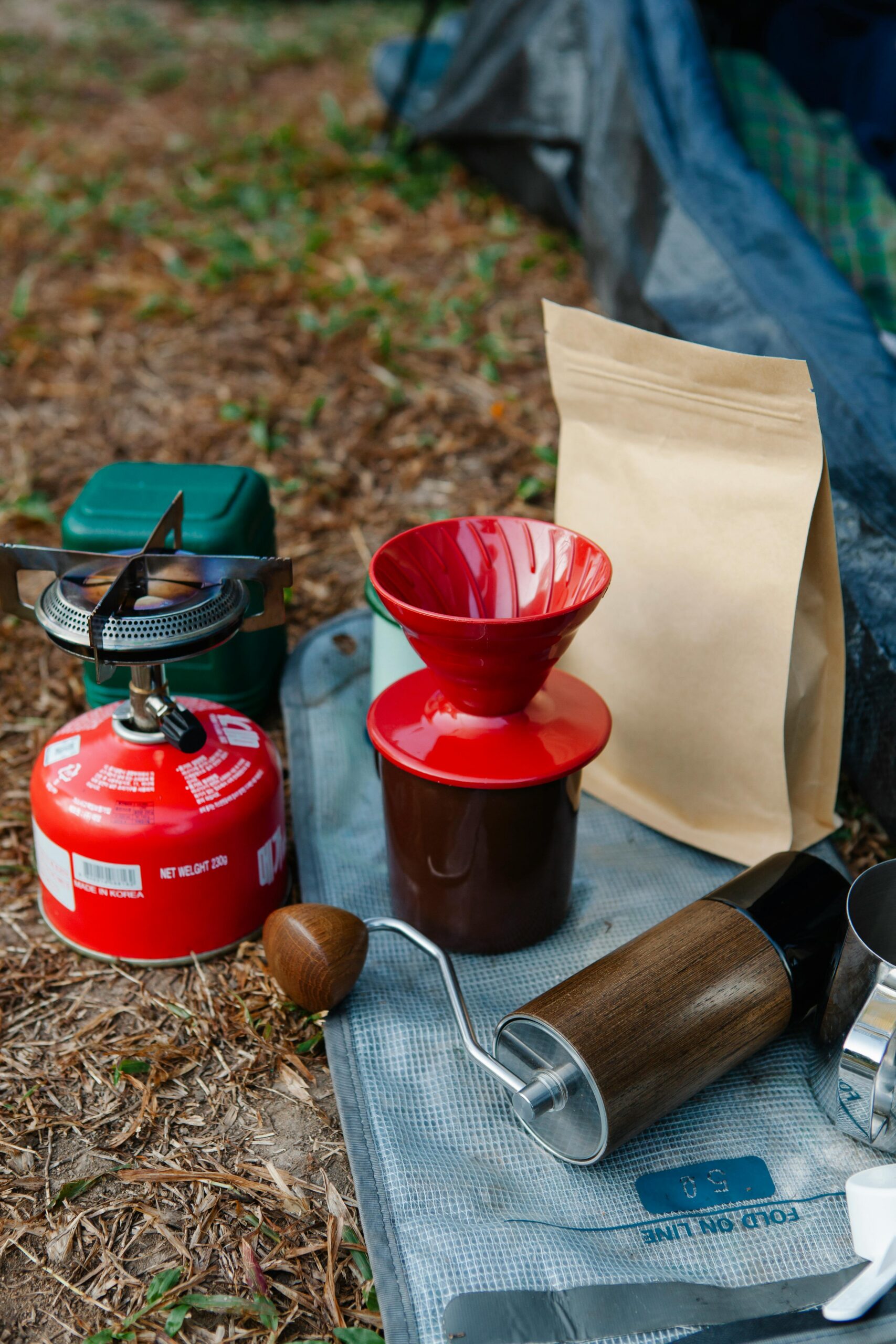
FIELD BRIEFING: In the field, your cooking system is your life-support engine. When you’re operating in low-light conditions or facing a sudden drop in ambient temperature, you don’t need “kitchen appliances”—you need Sustainment Tools. A tactical field kitchen must be high-output, fuel-efficient, and capable of operating in…
In the field, your cooking system is your life-support engine. When you’re operating in low-light conditions or facing a sudden drop in ambient temperature, you don’t need “kitchen appliances”—you need Sustainment Tools.
A tactical field kitchen must be high-output, fuel-efficient, and capable of operating in adverse wind conditions. This briefing breaks down the gear you need to maintain a “Hot-Start” capability in the backcountry, ensuring your squad stays fueled, focused, and ready for the next objective.
1. Stove Classification: Choosing Your Burner
Not every mission requires the same flame. You must select your burner based on your squad size and the expected meteorological conditions of your theater of operations.
Integrated Systems (The Speed-Boilers)
These feature a burner that locks directly into a proprietary pot (like the Jetboil Flash). They are optimized for maximum fuel efficiency and rapid boil times—often under 100 seconds.
- Best for: “Boil-in-bag” rations and quick coffee extractions where speed is the primary objective.
Remote Canister Stoves (The Heavy Lifters)
These stoves connect to the fuel via a flexible hose. Because they sit lower to the ground, they are more stable for large pots and significantly easier to shield from high-velocity winds using a perimeter wind-guard.
Ultralight Burners (The Minimalists)
Tiny, screw-on burners that offer zero bulk. They require a separate pot but provide the most flexibility for actual tactical field kitchen cooking, allowing for simmering and frying rather than just boiling.
2. Fuel Management: The Logistics of Ignition
In 2026, Isobutane-Propane canisters remain the gold standard for three-season field ops. However, temperature management is the key to consistent performance.
- Cold-Weather Tactical Tip: In sub-freezing temperatures, canister pressure drops. Keep your fuel inside your jacket or at the bottom of your sleeping bag before use to ensure a “Primary Ignition” on the first strike.
- Liquid Fuel (The Arctic Exception): If your mission takes you into deep winter or high altitudes (10,000 feet+), you need a white-gas stove (like the MSR WhisperLite). These require priming but will burn hot in conditions that would freeze a standard canister solid.
3. Material Science: Choosing Your Cookware
The durability of your tactical field kitchen depends on the metallurgy of your pots.
| Material | Strength | Heat Distribution | Best Use Case |
| Hard-Anodized Aluminum | High | Excellent | General cooking; prevents “hot spots” that burn rations. |
| Titanium | Extreme | Poor | Solo scouts; strictly for boiling water. |
| Stainless Steel | Indestructible | Good | Open-fire cooking; high-BTU output burners. |
4. The “Base Commander” Tool: MSR PocketRocket® Deluxe
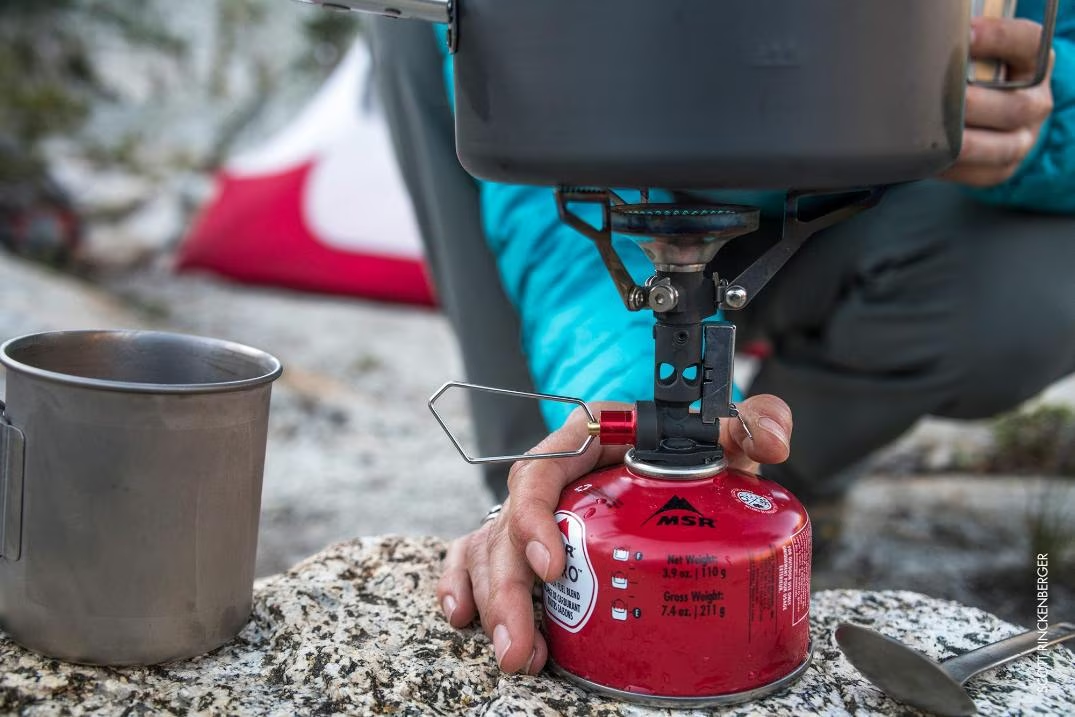
While integrated systems are fast, the MSR PocketRocket Deluxe is the most versatile “Force Multiplier” for your tactical field kitchen in 2026.
Field Briefing: The “Deluxe” version of this legendary stove is a significant upgrade. It features a Pressure Regulator, which maintains a consistent flame even as your fuel canister gets low or the ambient temperature drops.
Why it’s Tactical:
- Piezo Igniter: Features a protected push-button sparker inside the burner head.
- Wind Resistance: A broad, recessed burner rim deflects gusts that would extinguish lesser stoves.
- Simmer Control: Unlike “all-or-nothing” burners, this allows for precise heat management for complex meals.
5. Field Sanitation: The “Clean-Kill” Method
Dirty gear is a biological hazard and a beacon for unwanted wildlife. Follow these Standard Operating Procedures (SOPs) for a sterile AO (Area of Operations).
- Deglaze: Immediately after cooking, add a splash of water to the hot pot to loosen debris.
- The Scraper: Use a small silicone scraper to remove 95% of food waste.
- Sanitize: Use a biodegradable, concentrated soap (like Campsuds) and a small scouring pad.
- Dry: Air-dry completely before nesting your stove inside the pot to prevent corrosion and mechanical failure.
Final Debrief
Your tactical field kitchen is only as good as the operator using it. Master your stove’s “simmer control” at home base before you’re forced to use it in a gale. A reliable burner ensures that no matter how hard the day’s march was, your team ends the night with a hot meal and high morale.
Cook Fast. Eat Well. Stay Lethal.
"Observe, orient, decide, and act."